
Why environmentalists need tax justice
By Matthew Crighton, sustainable jobs advisor
More and more, environmental and climate campaigners are getting involved in debates about economics and fiscal policy. Increasingly, they understand that environmental objectives cannot be achieved without changes in how our economy works.
We want to live in a society in which enough public investment flows into meeting our climate commitments whilst improving lives; polluters pay the full price of their environmental damage; and nature restoration is properly funded. Achieving this will require big changes in our tax system.
One of the Tax Justice Coalition’s key asks is “‘Tackle Climate Change by Taxing Pollution: Wealthier people tend to pollute more and, often, much more. Let’s invest in climate action by taxing polluters fairly. Taxes should incentivise us to pollute less, while supporting a just transition to a greener future”.
Taxing polluters properly
We welcome the campaign’s application of the Polluter Pays principle to tax. In our current economic system, this principle does not apply – where nature has not been taken into private ownership already, it is abused for free and polluted without charge.
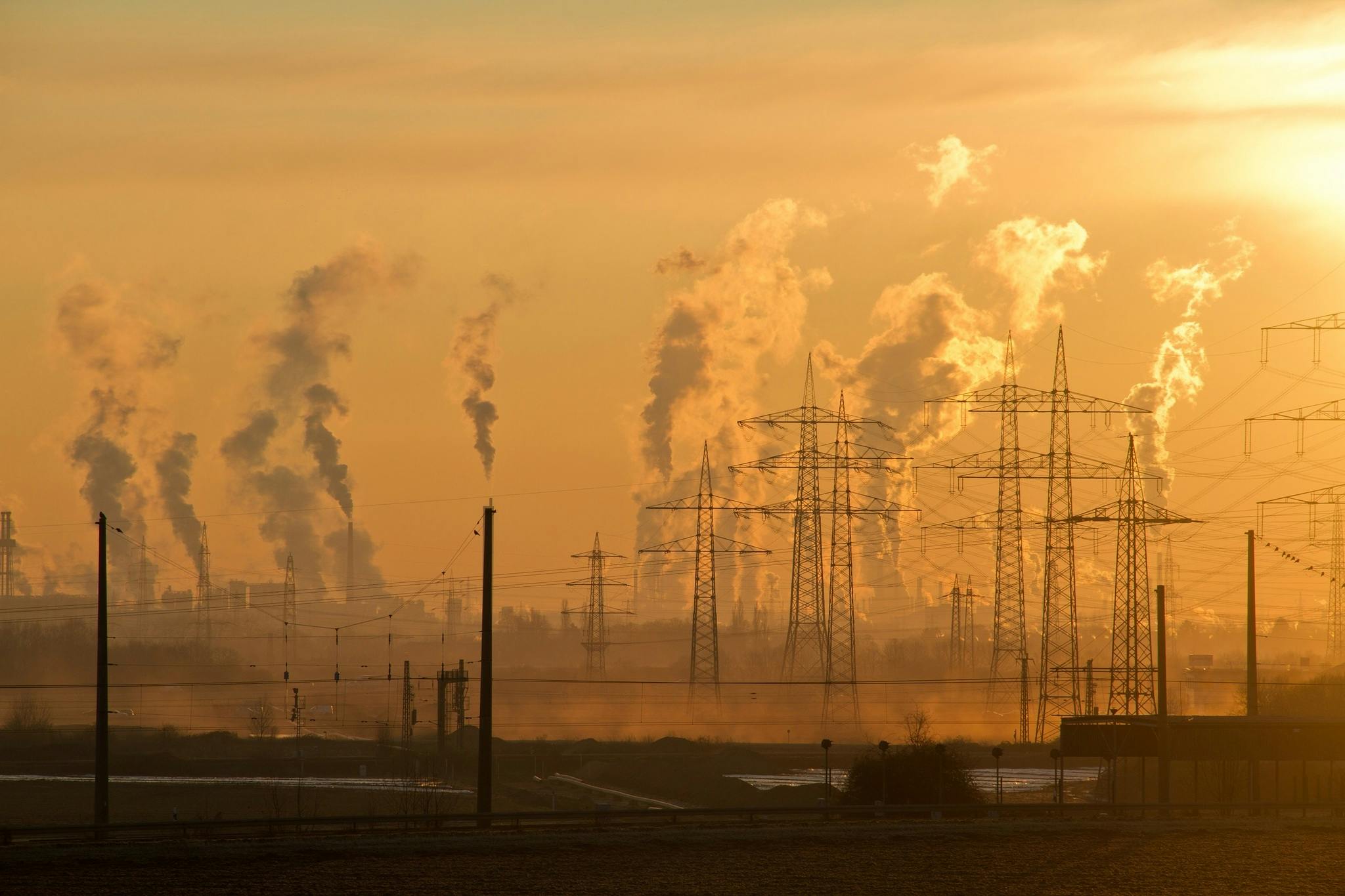
The atmosphere provides a clear example: emissions of industrial pollutants are damaging human health but the costs have been borne by communities and the health system, not those profiting from the emissions. The greenhouse gases changing our climate exemplify this at the global scale and we can see the same patterns.in our fresh water and the oceans.
Where impacts can be measured, taxation should be used to charge polluters, either through new taxes, like a carbon tax, or varying the rates of existing taxes, like road tax or taxes for travelling by plane. These measures influence the actions of large producers and of consumers, discouraging behaviours which are contributing to our environmental problems.

Producers taking responsibility for waste
Another example which needs much more systematic application is known as Extended Producer Responsibility, through which the manufacturers and retailers supplying products are required to take responsibility for the costs of re-use or disposal of the materials within them. This would mean if you are making products that break easily or have short lifespans, you pay a price for this approach.
The focus on injustice within the ‘Polluter Pays’ principles closely aligns with tax justice. This holds that rich people should pay more than the poor, as a share of their income and wealth, into the taxes which pay for public services. Although many of us assume this is a foundation of our tax system, inadequate taxes on wealth taxation and the disproportionate impact of VAT on lower income households means this is not the case.
Taxing the super rich
The application of some climate policies can be regressive too because the costs of subsidies for renewable energy were added to everyone’s household energy bills, irrespective of people’s wealth. Therefore environmentalists are increasingly calling for the funding urgently needed to stop dangerous climate heating and repair nature to come from general taxation and from a tax on the super-rich, whose wealth has been accumulated through an unfair economic system which has done that damage.
While radical changes to taxation by the UK Government are essential, the Scottish Government can do much more with devolved powers. Alongside Council Tax reform, Tax Justice Scotland is calling for the forthcoming Air Departure Tax to embed a strong Private Jet Tax from the very start. Over time, this should evolve into a frequent flyer levy on people taking lots of flights within a given period. Flying is the most polluting form of travel and is disproportionately used by the wealthy.

Ideas to support public services and the planet
In the longer term, members of the Coalition, including STUC, have presented ideas of how the Scottish Government can raise more tax revenue to add to its budgets for our public services including climate action and protection of nature.
Proposals from the Coalition in its priorities for the new Scottish Parliament include “targeted measures to incentivise emission reduction, such as a well-designed Carbon Emissions Land Tax on large landholdings” which would reward landowners which adopt good environmental practices. This builds on pioneering work by the John Muir Trust. It also suggests that making tax reliefs on the Non-Domestic Rates paid by businesses conditional on climate action should be considered.
Future Economy Scotland explores a range of such ideas in its report ‘Funding Scotland’s Future: Tax Reform for a Just Transition’. It recommends replacing Council Tax and Land and Buildings Transaction Tax with a new Progressive Property Tax which should offer discounts and penalties according to a property’s energy performance; and to replace Non-Domestic Rates with a Green Land Value Tax.
We are keen to help develop these proposals and build public and political support for them because tackling the climate and nature crises demands a fairer tax system.