
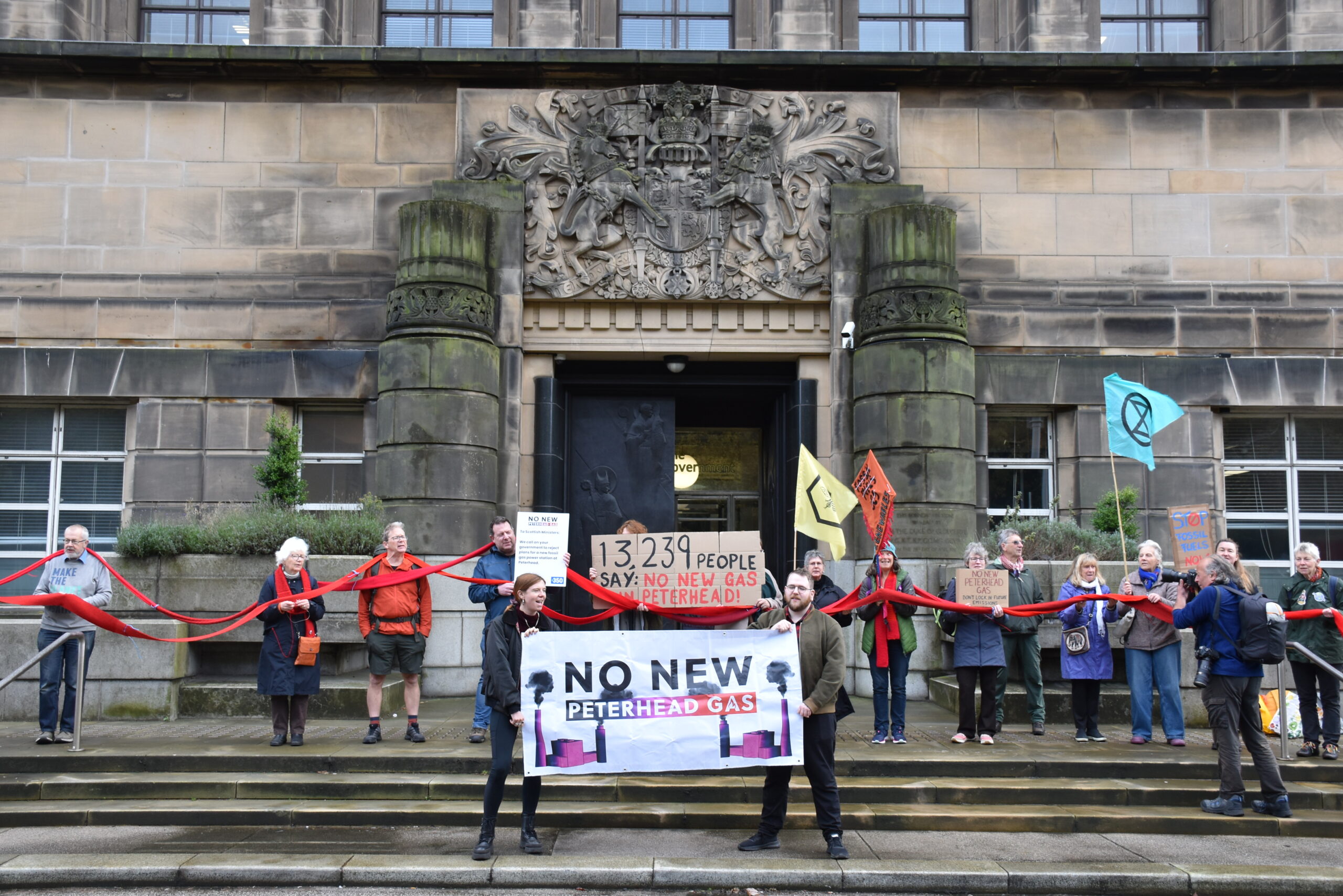
Stop new gas power at Peterhead
Campaign, Facts & Latest Updates
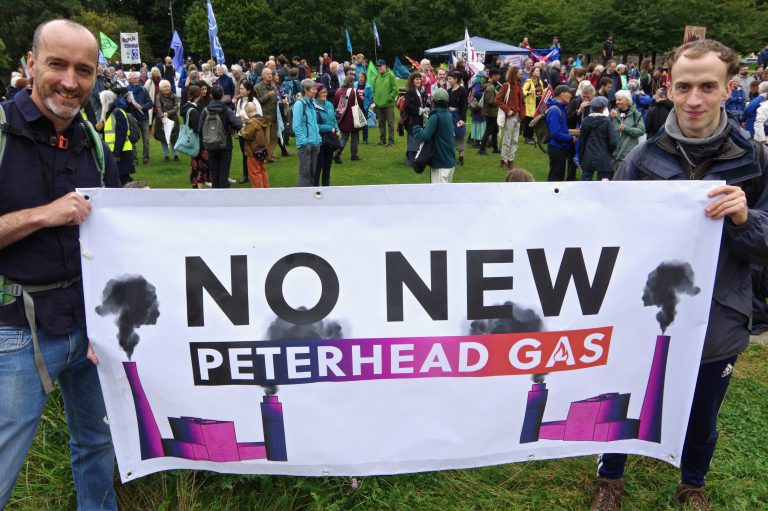
What is the proposed Peterhead gas power station?
Energy companies SSE and Equinor have applied to build a new gas burning power station at Peterhead, Aberdeenshire. The project is intended to operate with carbon capture and storage (CCS), which attempts to stop the polluting carbon dioxide escape into the atmosphere. Friends of the Earth Scotland and other campaigners are opposing the proposal because it would extend expensive fossil fuel electricity generation for decades and risks undermining Scotland’s climate commitments.
The developers asked the Scottish Government for permission to build the power station in 2022. Years of campaigning has meant that, as of August 2026, Scottish Government Ministers have still not made a final decision. Friends of the Earth Scotland are calling for the plans to be rejected and for Scotland to focus on renewables instead.
Learn more about the Peterhead proposals
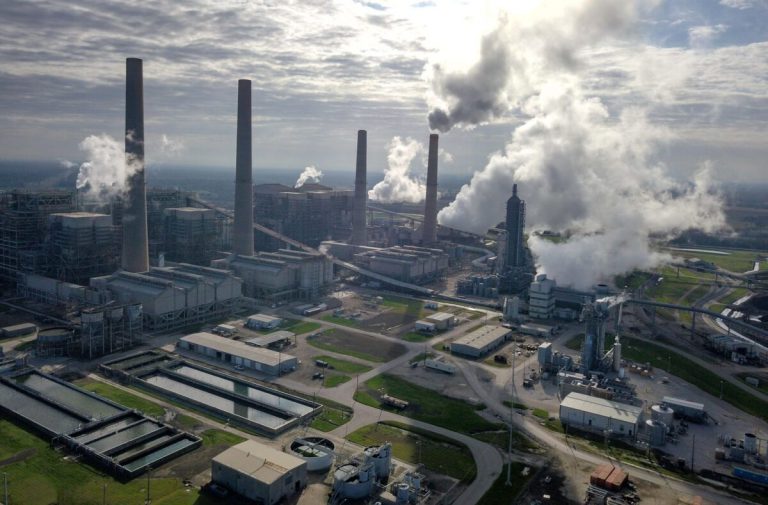
Energy giant SSE and the fossil fuel company Equinor are proposing to build a new and additional gas burning plant next to the existing gas plant at Peterhead power station. The additional plant could produce 910MW of electricity alongside the existing 1180 MW plant.
The developers were originally predicting that it would not be operational until 2027 at the earliest, although concerted campaigning has slowed this down. Official documents admit the new plant could be running until 2055 at least.
The current Peterhead plant was Scotland’s single biggest climate polluter from 2018 to 2020 and again in 2022, when it produced 1.35 million tonnes of carbon dioxide emissions.
The proposal expects reduced capacity at the existing Peterhead power station but does not rule out both plants operating at full capacity. This risks a significant increase in climate pollution if both plants run simultaneously.
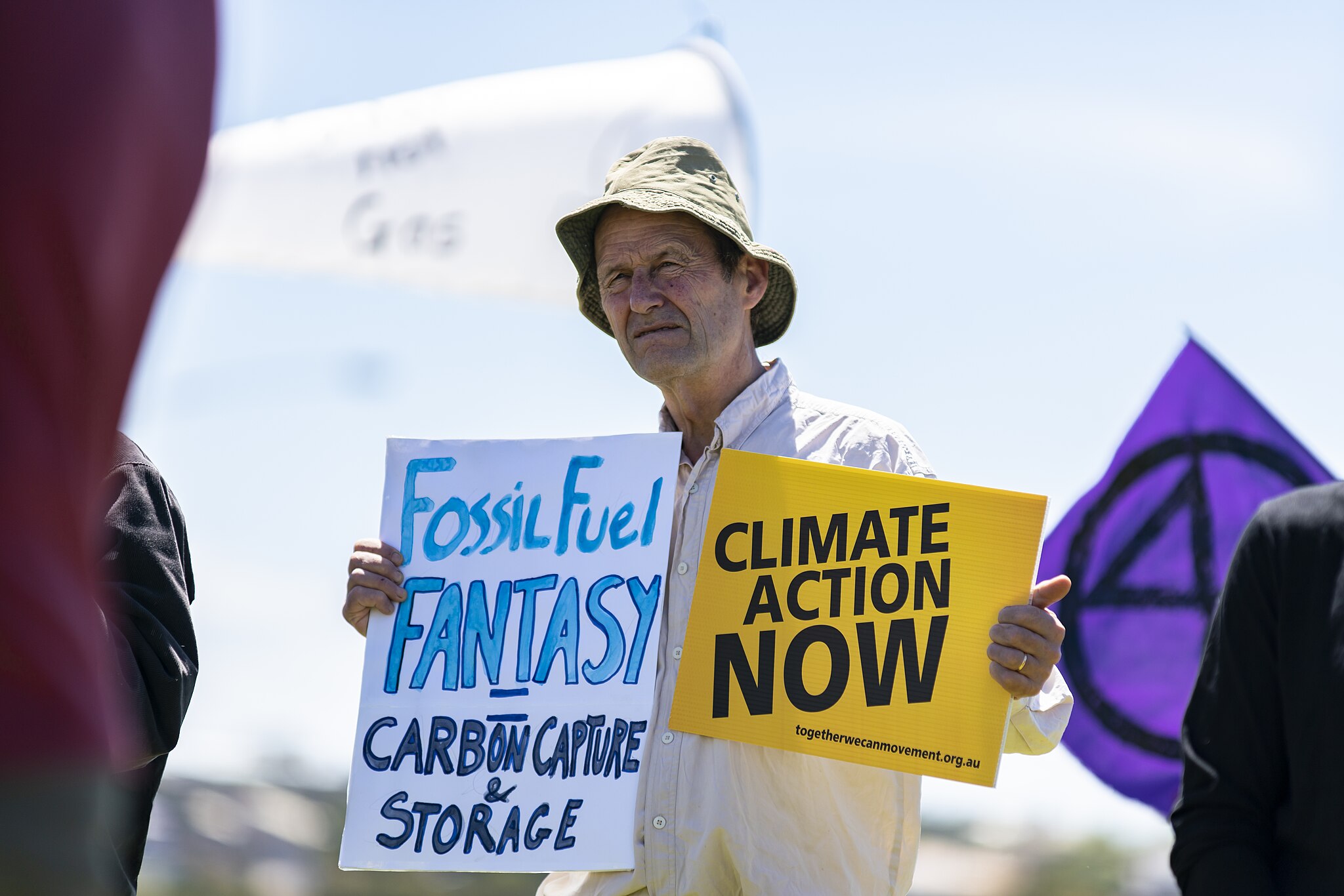
Matt Hrkac from Geelong / Melbourne, Australia, CC BY 2.0 <https://creativecommons.org/licenses/by/2.0>, via Wikimedia Commons
What role does carbon capture play at Peterhead?
SSE says that Equinor will attempt to add carbon capture and storage (CCS) technology to the new plant. Evidence from around the world has demonstrated that carbon capture projects frequently fail and always underperform.
On the rare occasion carbon capture becomes operational, the plants capture far less carbon than industry has predicted. This will be at least the third attempt to make carbon capture work in Peterhead, with two previous failures allied to the existing plant in 2007 and 2015.
The modelling done by the developers of this project was based on gas plants just 1/20th of the size of what is proposed at Peterhead.
The Peterhead project would require the proposed Acorn carbon capture project to be operational before it would could function properly. As of August 2026, the Acorn project is still only on the drawing board, with one of its lead developers pulling out in December 2025.
Why does Friends of the Earth Scotland oppose it?
We oppose the proposed new Peterhead gas power station because we believe it:
- would lock Scotland into decades of additional fossil fuel burning;
- could make climate targets harder to achieve;
- relies on carbon capture technology which has a long history of failure and underperformance;
- risks diverting time and resources away from renewable energy and fair transition.
Climate science is very clear that Scotland should be transitioning to powering our lives with renewable energy, not building new fossil fuel infrastructure. These plans would make a huge climate polluter even worse, creating pollution until after 2055, long after when Scotland is supposed to have ended our contribution to climate breakdown.
Research has shown the developers failed to account for almost 1 million tonnes of climate pollution per year associated with the project. Analysis by Carbon Tracker suggested its climate impact could be 5 times greater than the companies claimed in their original Environmental Impact Assessment, submitted as part of the planning application.
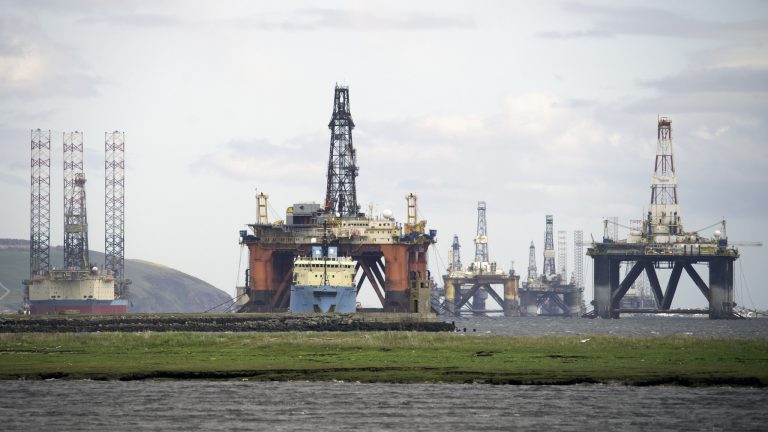
This long-term commitment to using fossil fuels gives another excuse for oil and gas companies to keep on exploring and drilling for new fields in the North Sea.
What will the plant’s impact be on electricity bills?
A new gas burning power plant in Scotland would keep the price of electricity locked on the volatile cost of gas for decades to come.
The price of gas is determined by international fossil fuel markets. It rose sharply after the Russian invasion of Ukraine in 2022, pushing up energy bills for everyone in the UK. The Iran conflict in 2026 caused a similar spike in prices and the Energy Price Cap rose again.
The true climate cost of new gas at Peterhead
Independent research reveals this project could be 5 times worse for the climate than originally feared.
Research estimates total pollution could be 1 million tonnes higher per year than SSE and Equinor admitted in planning documents.
The Scottish Government failed to order these companies to do an honest assessment of its climate harm.
How the Scottish Government breached its rules on Peterhead
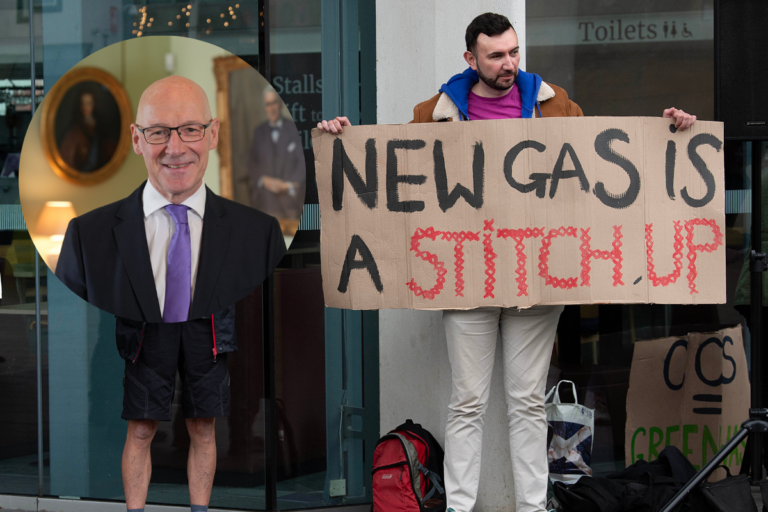
Our research has exposed the way ministers have mishandled the planning application for new gas power.
This shows scores of meetings with developers SSE and Equinor whilst refusing to meet objectors, lost meeting records, ministers speaking publicly in favour of the project and even the First Minister visiting the Peterhead site.
How people power has resisted new Peterhead gas
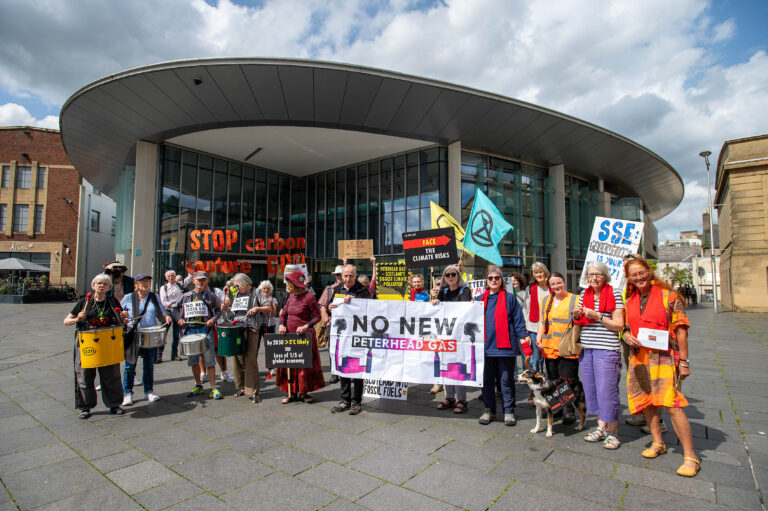
We exposed the climate harm of this project, supported an epic cycle and continued to make the case against the failing technology of carbon capture.
Continuing to resist – the fight against carbon capture at Peterhead and beyond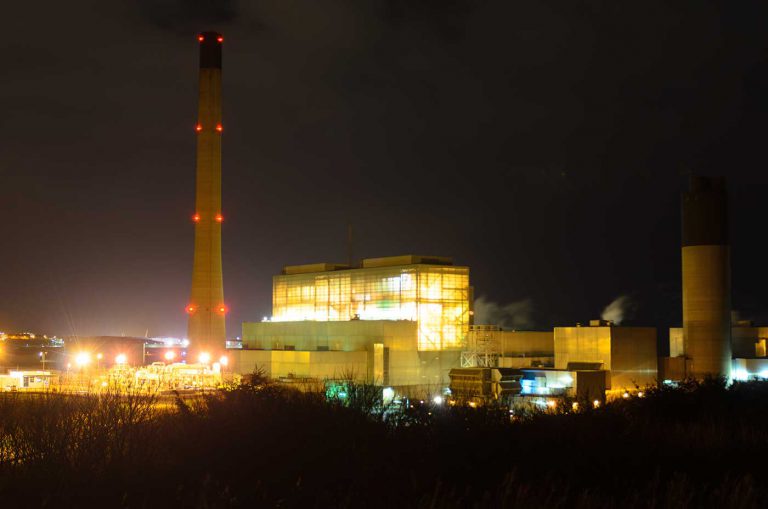
Carbon Capture and Storage explainer
The developers claim they will add Carbon Capture and Storage to the Peterhead plant at an unspecified later date. But how feasible is it and why should we be worried about its false positioning as a climate solution?
This easy to read guide answers questions about CCS, and sets out our deep concerns about the plan to include it in our energy system.
5 reasons why carbon capture should not be relied upon
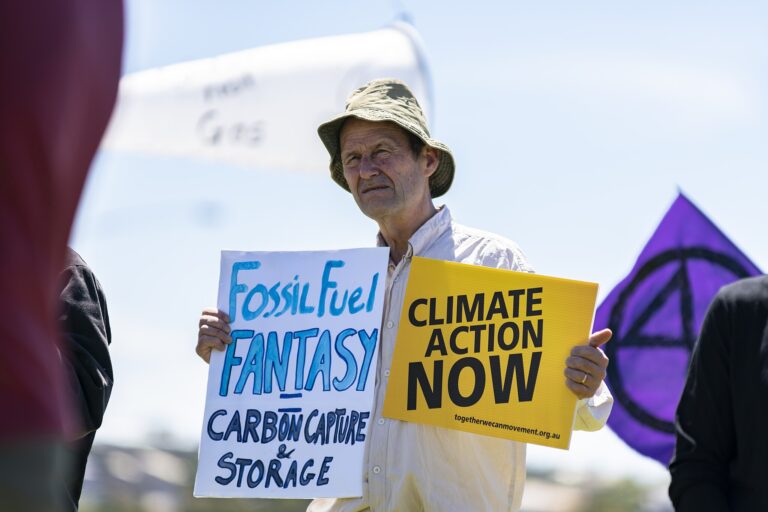
The case against CCS is damning.
We look at how this greenwashing technology could keep us locked into expensive fossil fuel use for decades to come.
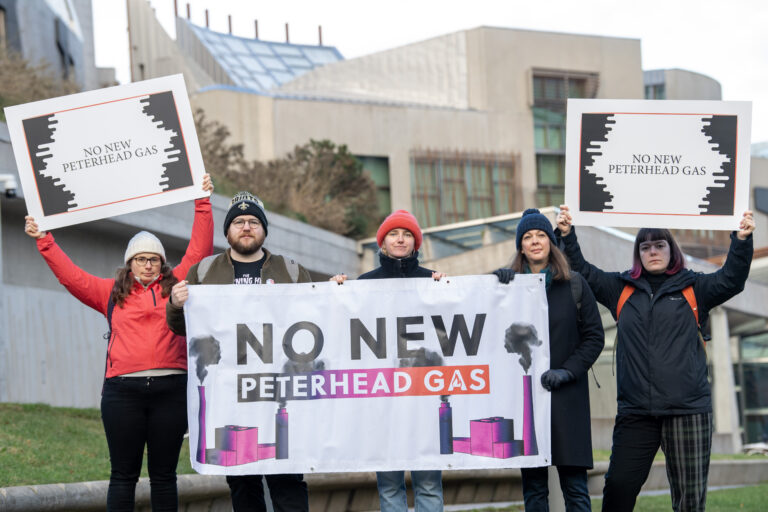
Dozens of groups demand Scottish Government reject Peterhead plans
Fuel poverty, climate and environmental protection groups write to Ministers to raise risks of new fossil fuel power to people and planet.
They were concerned that project will lock household bills to costly gas for decades to come + endanger climate commitments.

Revealed: Fossil fuel lobbying
We unearthed nearly 800 meetings between oil and gas companies and MSPs or Scottish Government Ministers.
These companies are using their power to delay climate action, push dodgy technology like carbon capture and cosy up to decision makers.
The whole Peterhead plan is built on the rotten foundations of carbon capture, which is a technology with a long, inglorious history of repeated failures. Experience shows us that carbon capture, if it is ever added, will not work at the rates promised by industry, and risks us falling even further behind our climate targets.
Alex Lee, Climate Campaigner
Latest Blogs

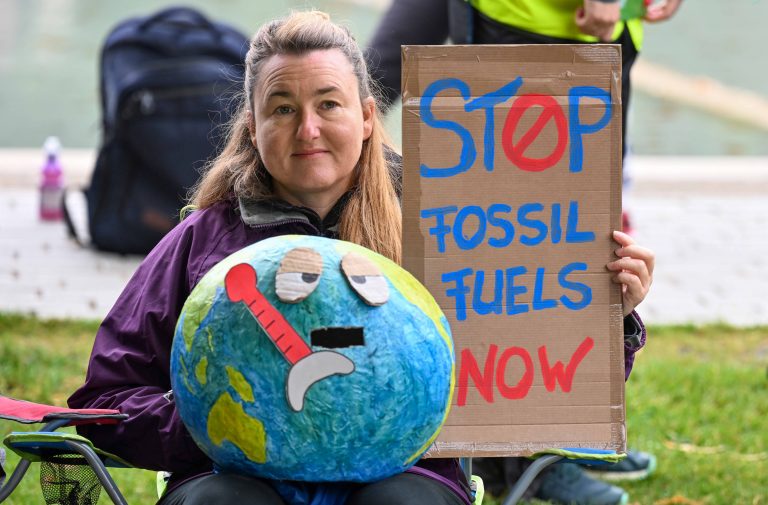
Iran War shows we must chart a path away from fossil fuels
If we were generating energy in the UK with reliable, affordable renewables we would be far more insulated from these external shocks.
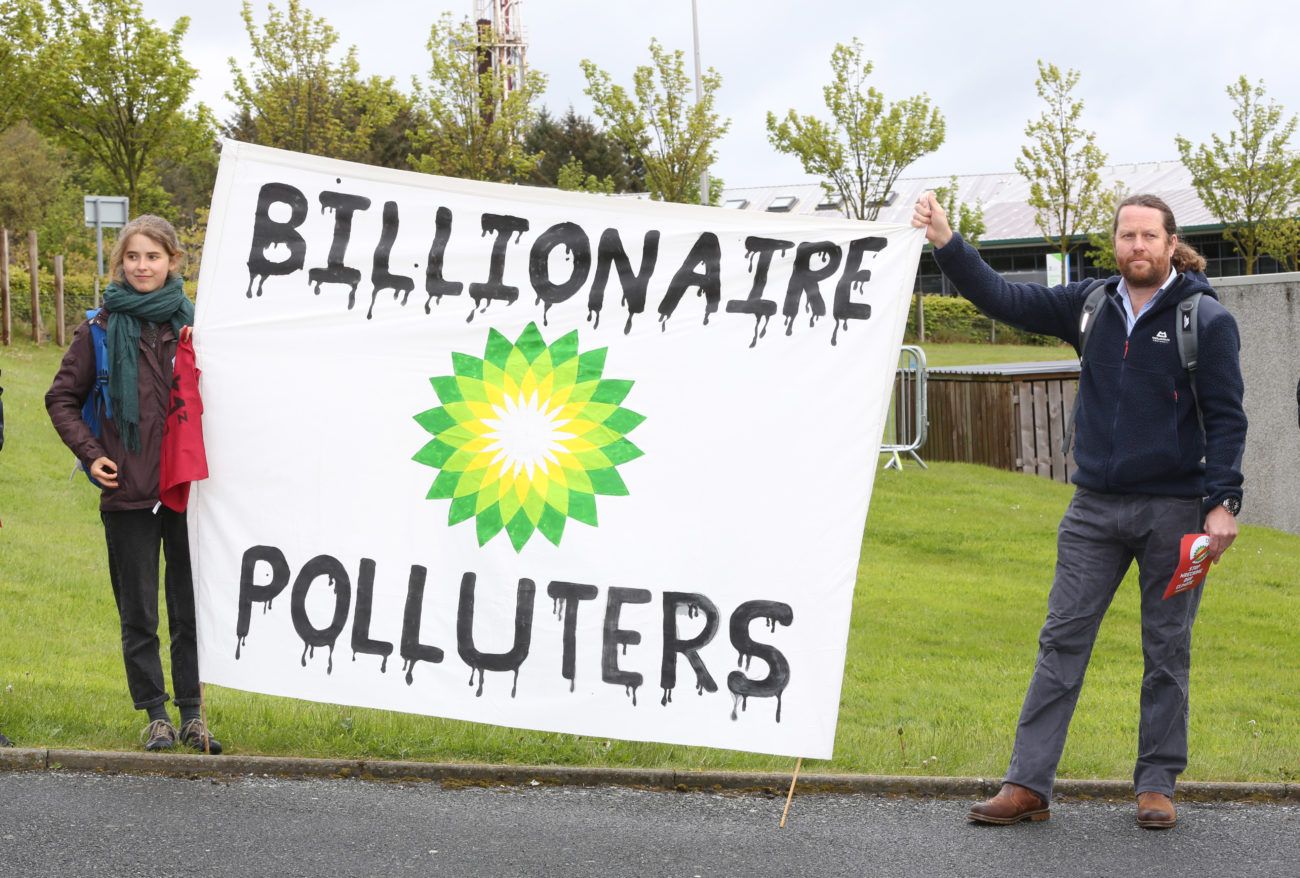
Politicians caught pleading for oil company profits
Oil companies have been making obscene profits yet politicians are demanding their taxes are slashed.

The war in Iran means we must reach for renewables – not more oil
The fossil fuel industry is trying to exploit this crisis for their own interest.
Latest Press Releases
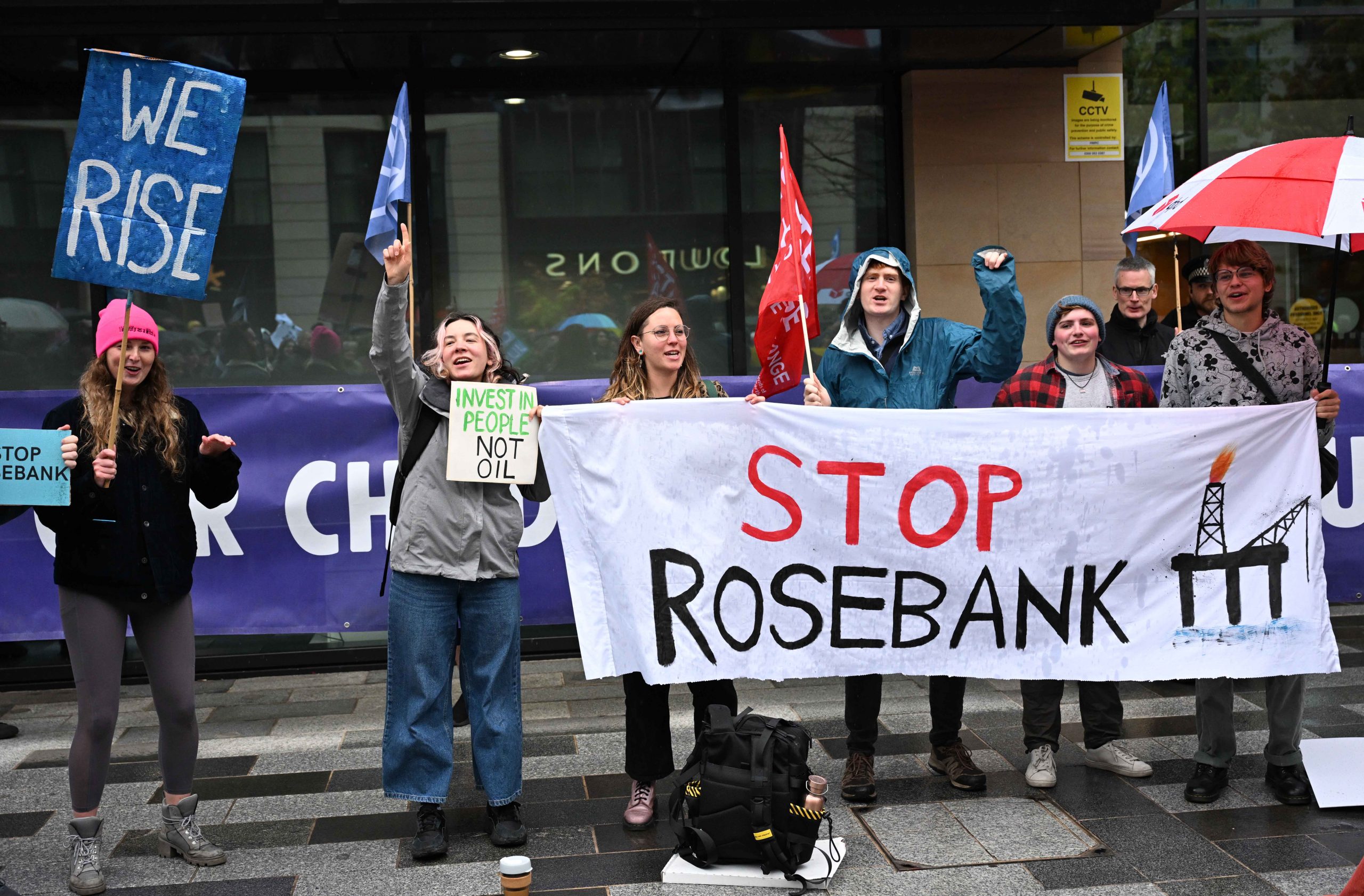
‘Depressing’ debate about opening Rosebank & Jackdaw field
Climate campaigners said it was “depressing” to see politicians debate opening the Rosebank and Jackdaw fields instead of talking about climate solutions to help cut bills. Burning oil and gas…

Jackdaw: UK Government must not cave to fossil fuel company lobbying
Burning the fossil fuels from Jackdaw will worsen extreme climate impacts like the deadly Nepal floods and UK heatwaves.

‘Shamefully lacking in climate action’ – Programme for Government reaction
No new climate ideas, and no action to halt the threat of data centres
Resources
Climate Communications Toolkit
Our new guide will help you communicate more effectively on climate, energy and transport
“It’s Scotland’s Energy” Briefing for Scottish Parliament debate
Response to Scottish Government consultation on Draft Climate Change Plan
The Plan is lacking in both detail and policy and does not represent a robust route to meeting climate goals. The next Scottish Government must go further than the policies outlined in this CCP if it wishes to tackle the climate emergency in a just and equitable way.
Objection to Peterhead gas project
There are major concerns over this project’s climate impact – both in Scotland and overseas.
NGO objection to Peterhead gas planning application
The real climate emissions of Peterhead carbon capture power station proposals
A briefing for MSPs about the real emissions of the proposed new gas-fired power plant at Peterhead.
Help make more impact
Join Our Mailing List
Sign up for regular updates on our work and ways to support it
People Power Network
Join our People Power Network to access resources, support, training, connect with groups in your area or start a new one.
Donate
We can only make positive changes happens because people like you care enough to take action. Consider backing our work with a donation.