
Why cold homes are a climate justice issue
The transition away from fossil fuels is a perfect opportunity to transform our energy system so that it meets the needs of the public and improves our lives.
The climate imperative for action is clear because heating buildings is responsible for a fifth of all Scotland’s climate emissions, making it the second largest source of pollution, after our transport system.
We have a right to a warm home
People have the right to live in a warm, comfortable home that keeps them safe. But the reality in Scotland is that people in 1 in 3 homes are living in fuel poverty and cant afford to stay warm
Fuel poverty is defined as spending more than 10% of your income on energy costs, and another 17% of people live in extreme fuel poverty where 20% of income goes to energy bills. The widespread nature of this problem means that people choosing between heating and eating are often our neighbours, our children’s classmates and people we talk to every day.
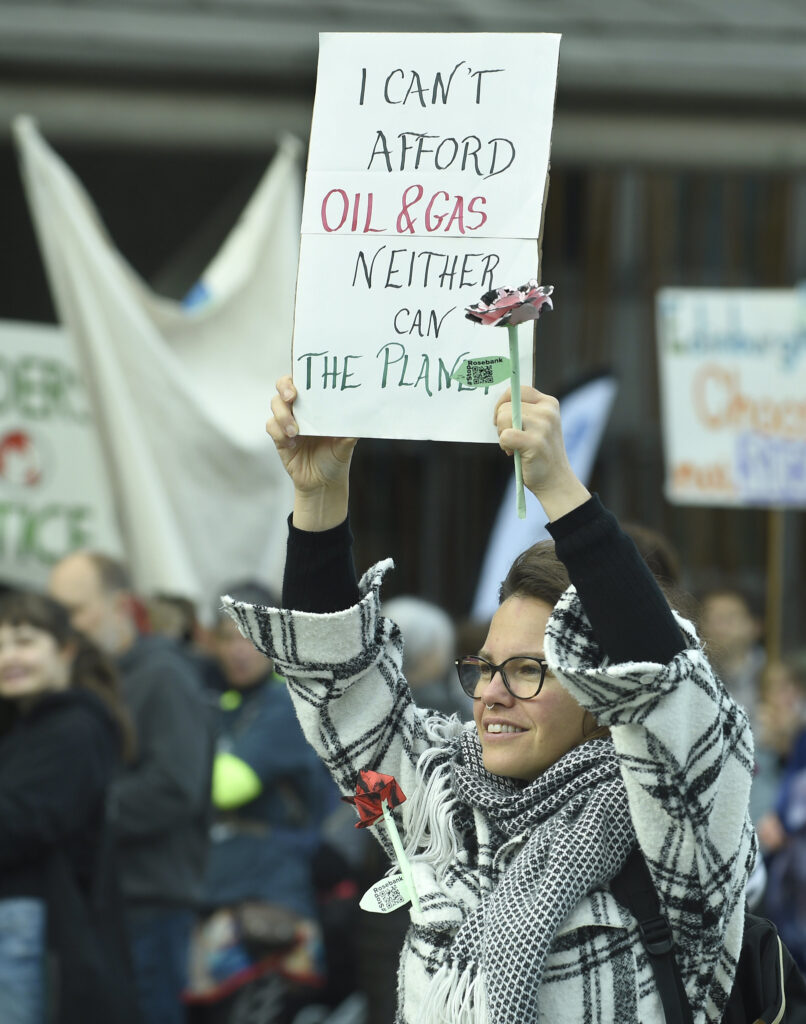
This injustice has been present for many years but has undoubtedly been exacerbated by the sky-rocketing energy prices in recent years. Of course, this cost-of-living crisis driven by fossil fuel prices could be about to happen again given the US and Israeli attacks on Iran.
Cold homes are a public health issue as well. If you live in a damp, draughty home your chances of asthma or other respiratory illness increase significantly. It harms people’s mental health in addition to the stress and anxiety of worrying about bills. Stories are frequently told of people having to limit the heating to just one room of the house to try and save money.
Why has this happened?
The UK has some of the leakiest homes in Europe and a problem of this scale has many causes and contributing factors. A key issue, as has been mentioned, is the cost of energy which is still well above prices before Russia’s invasion of Ukraine.
Too many houses have been built to really poor insulation standards, meaning they do not retain heat well. Major housebuilding companies have lobbied fiercely in opposition to improved building standards in a bid to make themselves more profits whilst condemning the occupants to a lifetime of higher bills.
There has been a decades-long political failure to deal with this problem. The solutions are methodical, take time and require lots of targeted public investment – factors which mean politicians are less keen to champion this cause. Fuel poverty is likely to be one of the many forms of poverty experienced by people on lower incomes.
What needs to change?
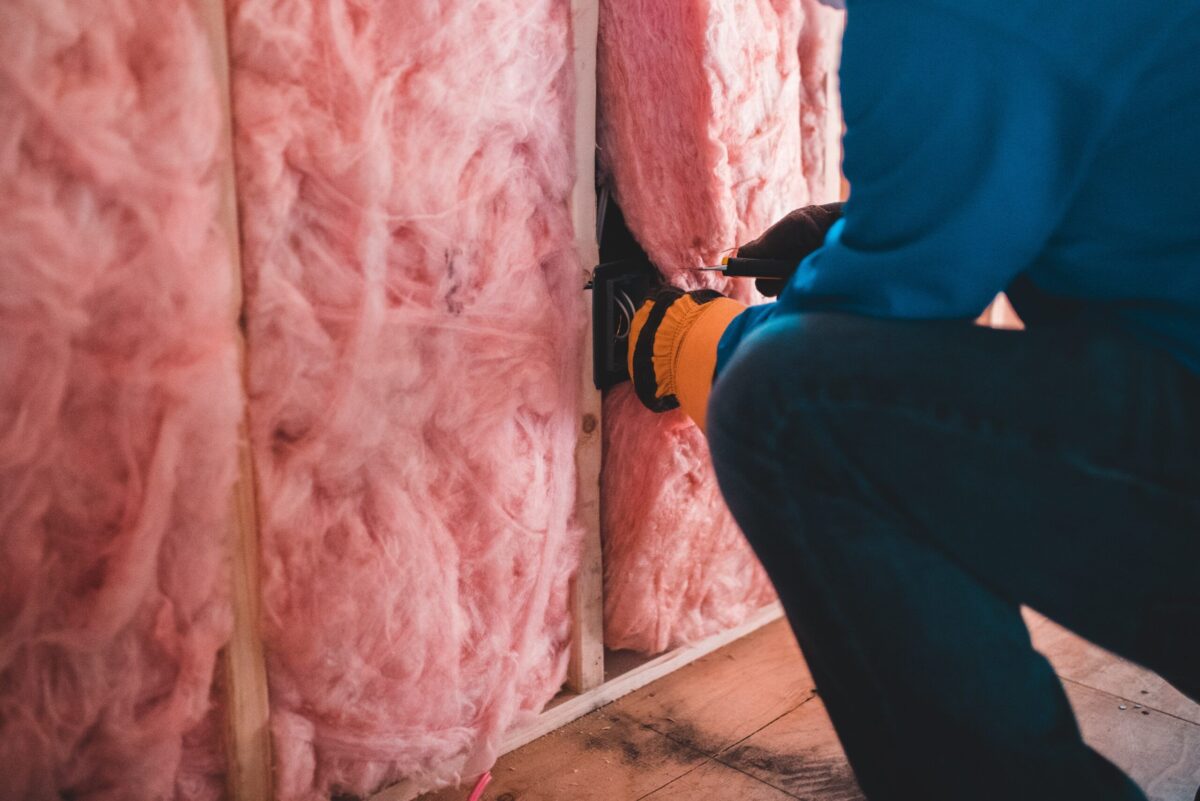
The good news is that we know what the solutions are. We need the Scottish Government to fund and deliver a mass programme of home insulation and improvements to energy efficiency. This would create thousands of jobs as this work was carried out street by street, targeting those people most in need first. These green jobs would be widespread across the country, with rural communities also benefiting from the support.
Our vision is for every home in Scotland should be well insulated and energy efficient – reducing energy usage, cutting demand for and use of fossil fuels, reducing climate emissions and ensuring that no one in Scotland lives in fuel poverty.