Councils face escalating £28mill bill for plastic waste burning
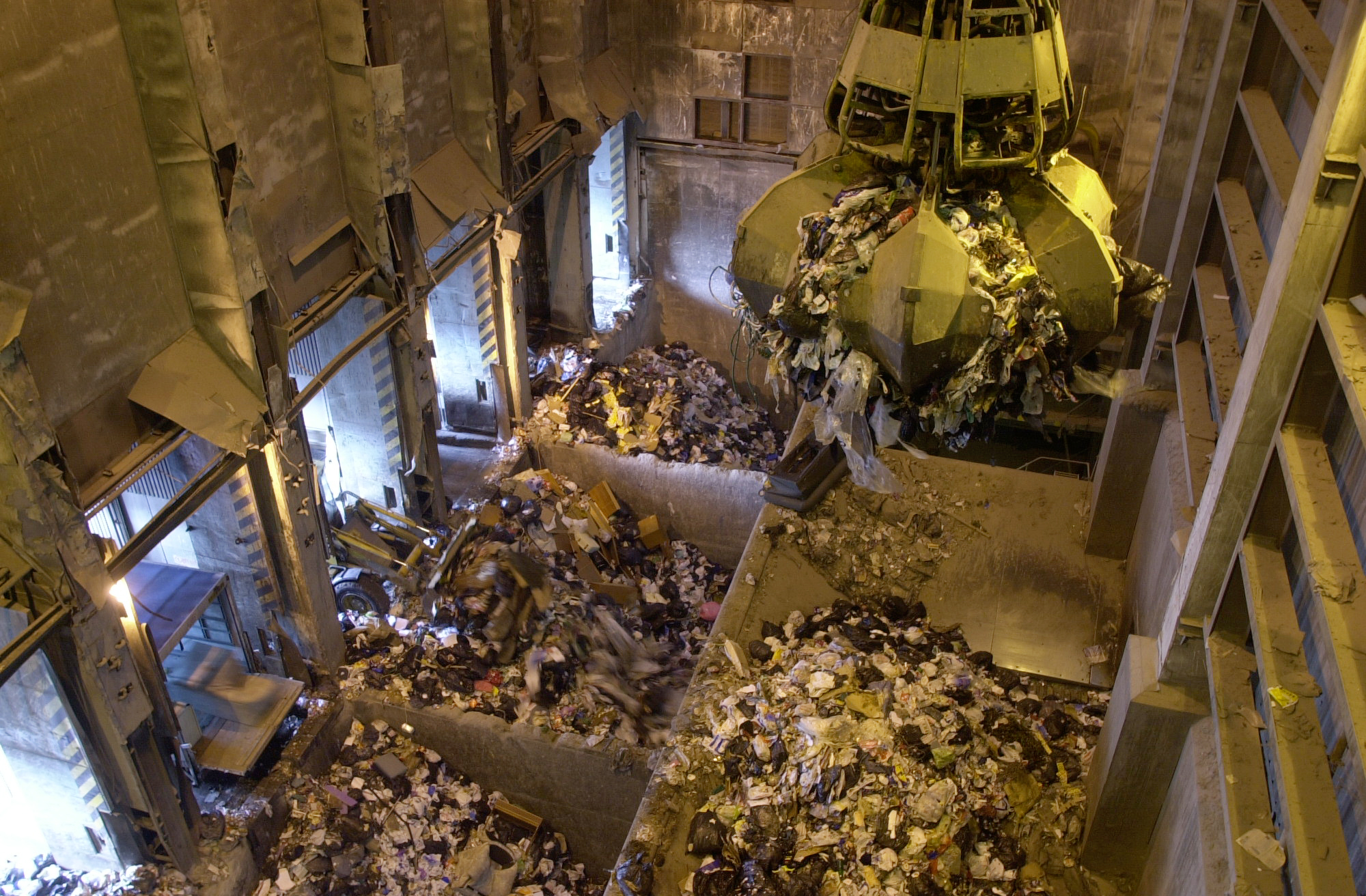
A new report has shown that, in 2028, Scottish councils will face additional costs of at least £28m per year from burning waste in incinerators, potentially rising to £168 m annually by 2050.
The cost comes from a UK Government plan, supported by the Scottish Government, to tax carbon emissions from burning waste which includes plastic. Incinerator operators will then pass these costs on to councils who send them waste to burn.
The report by Zero Waste Scotland suggests that new revenue for councils, which was meant to be spent on improving recycling services throughout Scotland, will be handed over as part of this payment instead. Even then, this will not cover the whole bill, leaving councils to pick up the £14m additional costs in 2028 and more each passing year.
The exact costs to each local authority are expected to vary considerably, based on the amount of plastic they burn and the market costs of the UK Emissions Trading Scheme (ETS) under which incineration of waste will be taxed.
Incinerating waste prevents effective reuse and recycling of materials. The incineration of plastic waste and other fossil fuel-based materials produces carbon emissions that worsen the climate emergency.
In 2012, the Scottish Government introduced a ban on sending waste to landfill. Instead of finding ways to reduce waste and recycle more, many councils moved to incinerating their waste instead. Since 2011, incineration rates have increased by over 350% in Scotland and, in 2024, nearly two million tonnes of waste were burned.
Whilst a ban on new incinerators was introduced in 2022, it was already too late for many councils. Loopholes in the ban mean that incinerators continue to be built, with four new projects turned on since the ban and six more in the pipeline. The Scottish Government has acknowledged it could stop new incineration projects but will only do so under “exceptional circumstances”.
In 2025, Scotland’s environmental watchdog put the Scottish Government on notice regarding its failure to reduce incineration overcapacity.
Kim Pratt, Senior Circular Economy Campaigner at friends of the Earth Scotland said:
“Forcing Scottish councils to find an additional £28m in 2028 and more every year after in a cost-of-living crisis will have real impacts on people’s lives. The Scottish Government must bear the blame for creating irresponsible policies which encouraged councils to incinerate waste, rather than reduce and recycle it, despite knowing that the costs were expected to rise dramatically.
“Not only will vital public services be at risk, but money earmarked for large-scale improvements to recycling services will have to be spent paying the ever-growing incineration bill instead.
“To fix this, the first step to take is for the Scottish Government to find ways for councils to cut this bill by reducing the amount of plastic waste being burned. In the long term, a national exit strategy for incineration is needed. This should include the Scottish Government immediately halting the plans for the six incinerators planned to be built in Scotland before 2028.”
Notes to Editors
Impact of the extension of the UK Emissions Trading Scheme to Energy from Waste on Scottish local authorities | Zero Waste Scotland
https://www.zerowastescotland.org.uk/resources/impact-extension-uk-emissions-trading-scheme-energy-waste-scottish-local-authorities
The Scottish Government conceded that it has the power to refuse permits for new incinerators in December 2023. Written question and answer: S6W-23750 | Scottish Parliament Website
https://www.parliament.scot/chamber-and-committees/questions-and-answers/question?ref=S6W-23750
In December 2025, Environmental Standards Scotland (ESS) reached agreement with the Scottish Government “on a series of actions that will bring clarity over Scotland’s future incineration capacity needs and ensure that consideration is given to them when determining applications for increasing incineration capacity in Scotland.”
https://environmentalstandards.scot/keep-up-to-date/environmental-standards-scotland-reaches-agreement-with-the-scottish-government-on-action-to-prevent-excess-incineration-capacity/