
A year fighting for a circular economy
The circular economy is about changing the way we use materials for the better, but if there is a theme for this campaign in 2025, it has been the power of people.
We’ve had an extraordinary year where we learnt how Scottish supply chains are influencing resource exploitation in South America, we joined the fight for a global plastics treaty and we supported communities in Scotland to rise up and fight for a better future. I’m going to share a few highlights from our work this year and look ahead to what comes next.
The international fight for resource justice
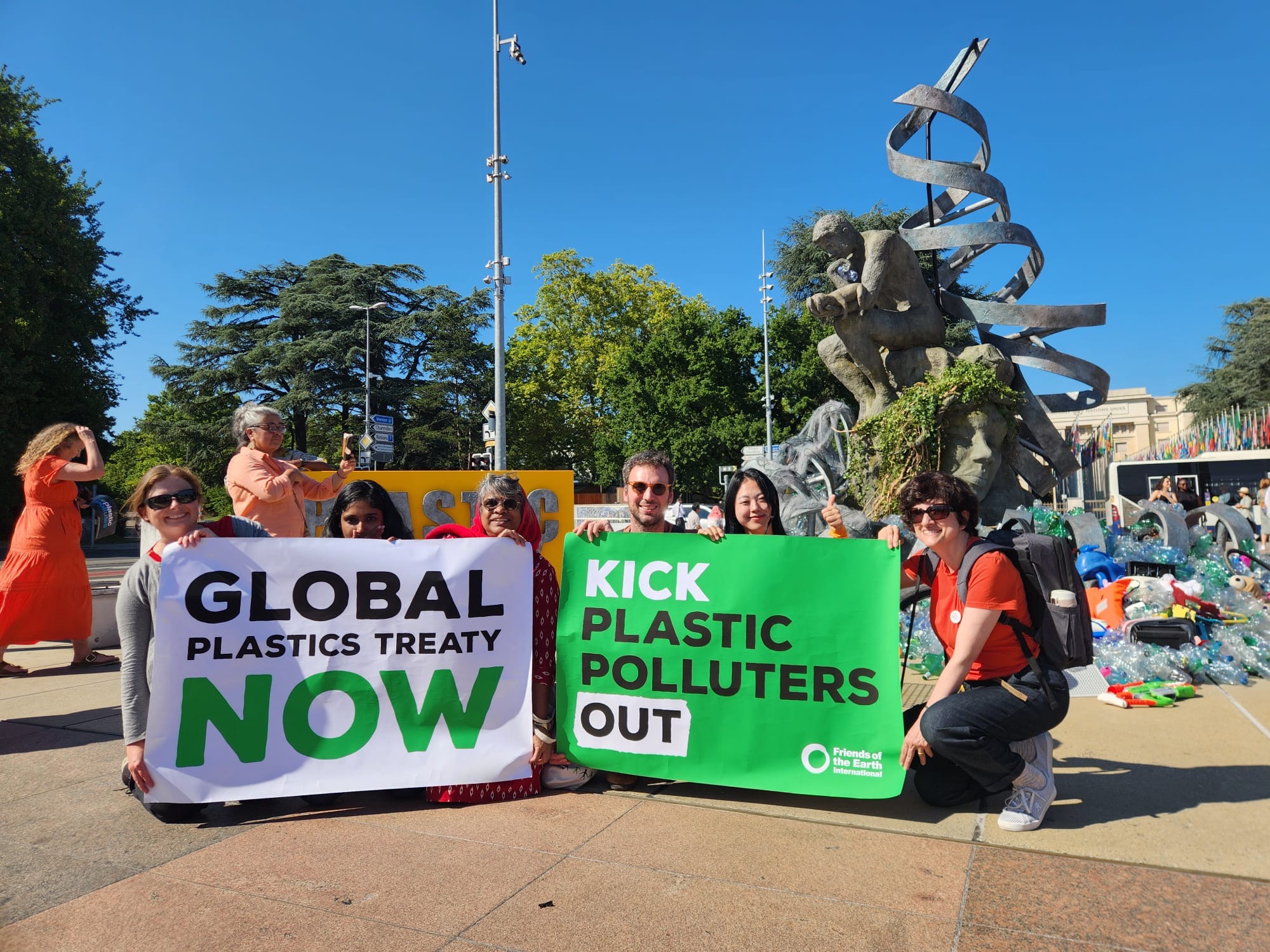
In June, our supporters met with leaders from the Autonomous Territorial Government of the Wampís Nation from Northwest South America, who had travelled to the UK to raise awareness of the plight of their people and lands which are threatened by climate breakdown, mining and illegal logging.
This inspiring meeting emphasised how our campaign in Scotland is part of the same struggle against corporate greed that impacts millions of people across the world, and the strength that can come from joining together in our common cause for a better future.
Watch that event again on YouTube
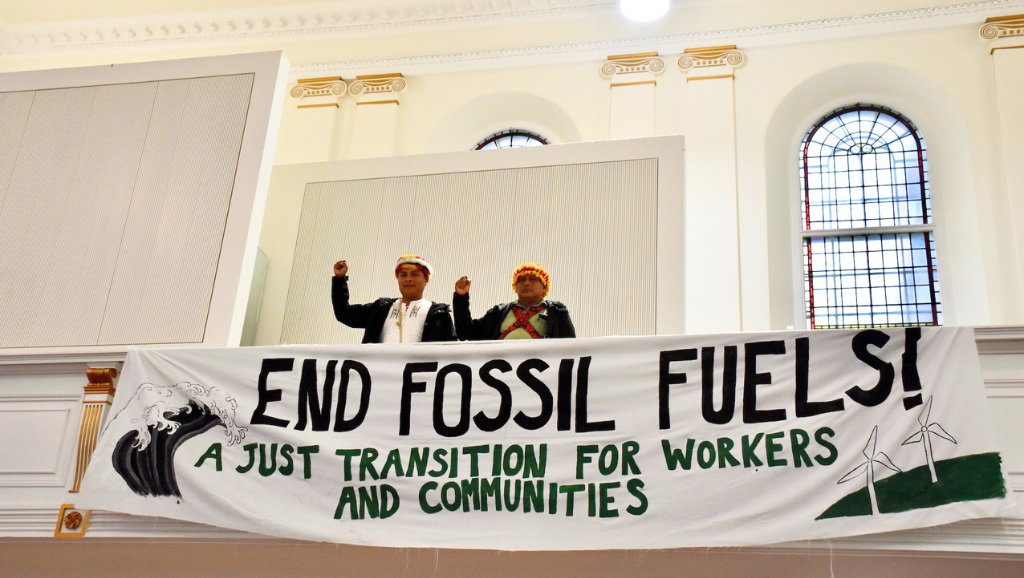
In August, I attended the Global Plastics Treaty negotiations in Geneva. It was an opportunity to forge closer ties with our international allies working for a world free from plastic pollution and see how environmental negotiations are conducted at the international level.
Ultimately, in a reminder that the way we use materials is deeply linked to the climate crisis, petro-states sabotaged the treaty process. We will have to wait until 2026 to find out what’s next in the global fight against plastic.
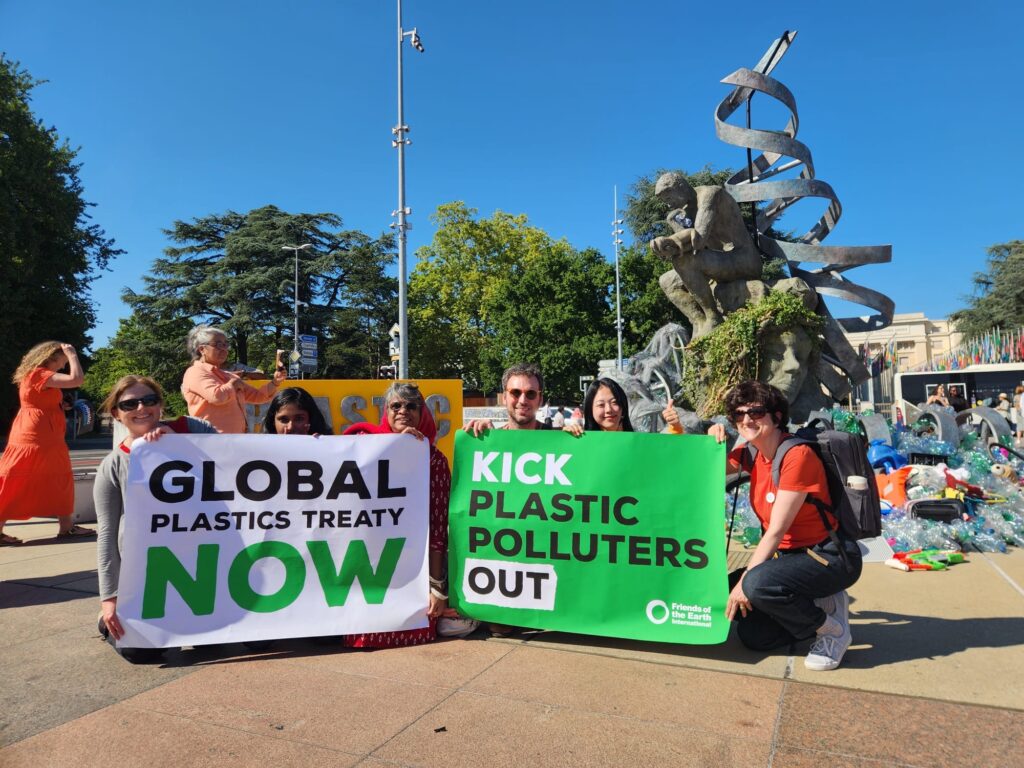
Friends of the Earth International representatives take action in Geneva at the Global Plastics Treaty
Communities taking action in Scotland
This year, we have been building links with communities affected by resource injustices across Scotland. We talked to communities around the Firth of Forth who are plagued by historic nurdle plastic pollution, tiny pellets which are the cause of huge environmental damage.
Working with the University of Edinburgh, we published a report on how communities affected by critical mineral mining exploration in Scotland feel forgotten by their politicians and exploited by mining companies.
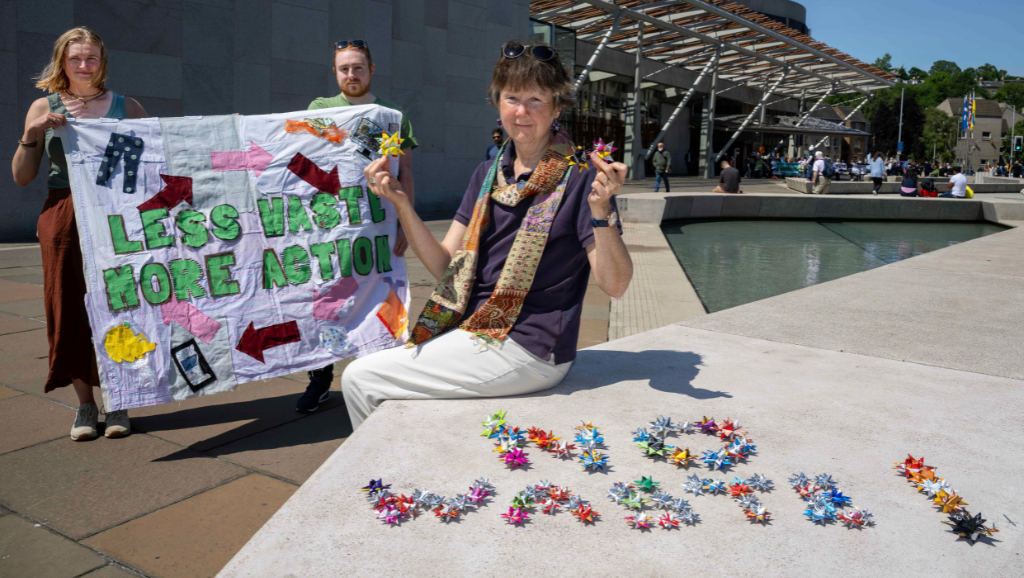
Activist Jenny Kerr delivers stars made from crisp packets to every MSP in parliament to highlight the impacts of single use plastic
We saw a major win with plans for an incinerator in the Highlands scrapped but there were also some challenges too – in Irvine, the local community fought tirelessly against a new incinerator being switched on, on their doorstep. The Scottish Government’s decision to allow this plant to go ahead in the face of their own ban on incinerators is a betrayal to the people of North Ayrshire. With six incinerators still in the pipeline, we will be looking to see how we can effectively challenge the Scottish Government on incineration next year.
Throughout 2025 we have been working with people, communities and reuse organisations to develop a shared plan to build a movement around resource justice for Scotland. In workshops held in Edinburgh, Glasgow and Aberdeen, we talked about how to grow a movement which is strong enough to change our throwaway society into one which puts people and nature first.
It was exciting to see people affected by different parts of our flawed material and waste systems come together. In these workshops, people recognised that the same underlying forces are driving the problems they are experiencing, from plastic pollution to waste incinerators and lack of investment in reuse. We agreed that by growing our movement we can tip the balance away from corporate greed and start to build a better future for everyone.

What will 2026 bring?
In 2026, we want to build momentum around creating a resource justice movement for Scotland.
First, we’ll share our plan on how to grow this movement.
Calls for alternative models to growth are becoming louder as people realise that the political obsession with economic growth is at odds with a future which puts people and nature first. Finding a way to talk about the importance and benefits of moving away from growth will be fundamental to expanding our resource justice movement.
The more of us that stand together, the more effectively we can hold government and business to account for their harmful policies and practices. So, join us in 2026 as we step up the campaign to fight for resource justice and a better future for all!