
Incineration
What is incineration?
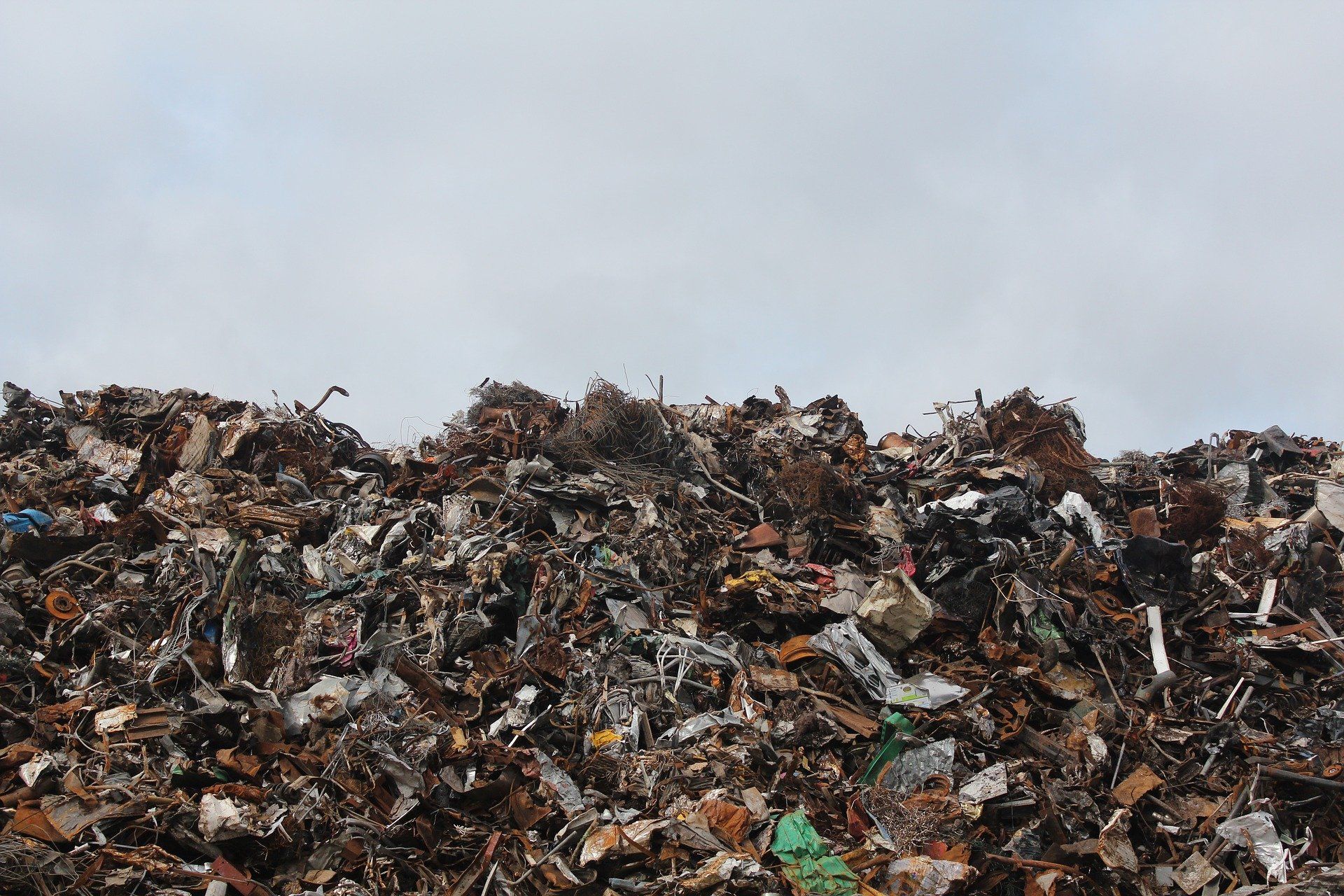
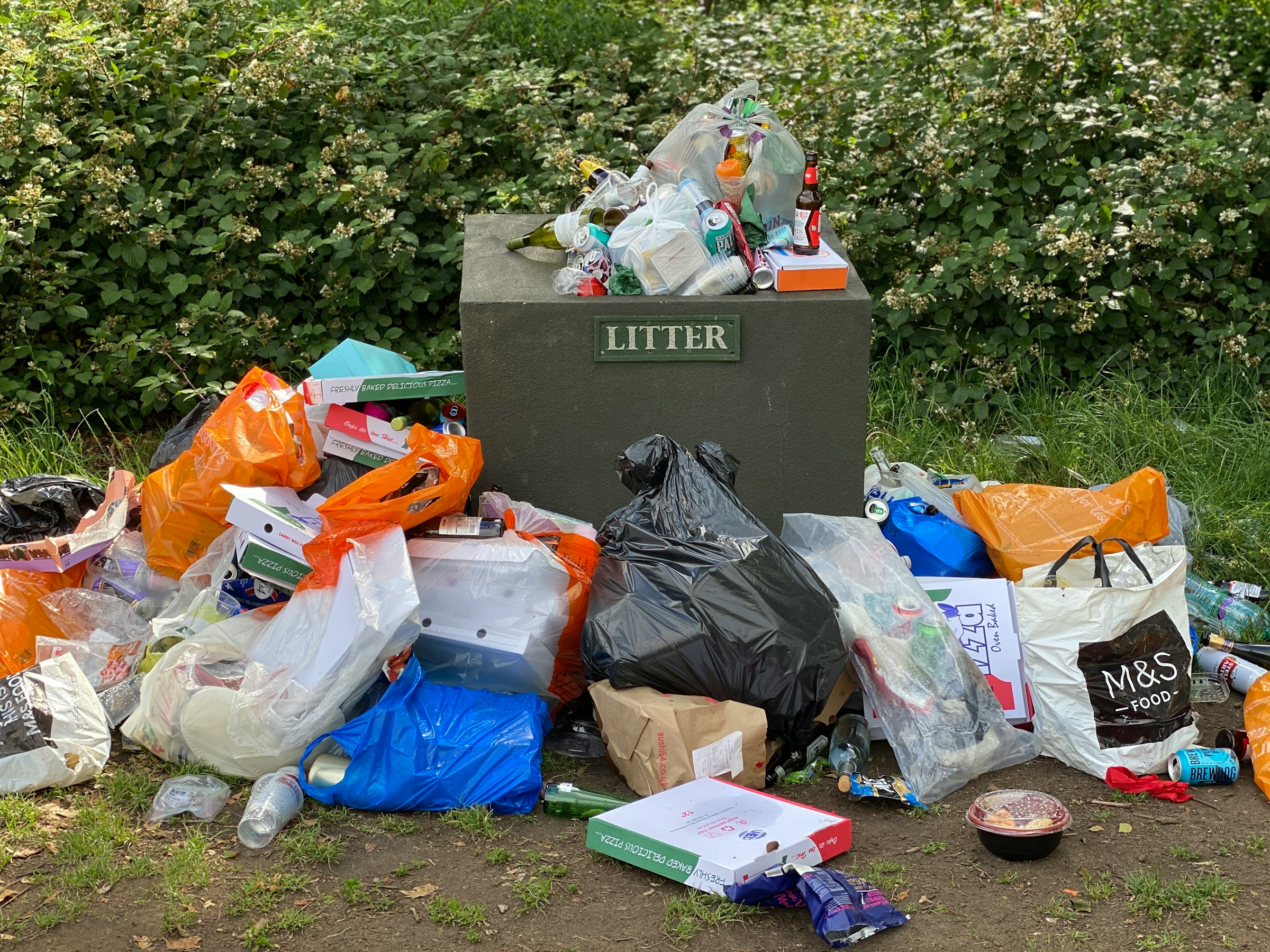
Incinerators are industrial installations that burn the waste and rubbish that we throw out in our bins everyday with the aim of reducing the volume of waste going to landfill sites. When the waste is burned it turns into gases which are released into the atmosphere and toxic ash that needs to be disposed of in a landfill.
Most new incinerators market themselves as ‘energy-from-waste’ or ‘waste-to-energy’ plants meaning that they can make electricity or produce heat. This is not a form of renewable energy as municipal waste is non-renewable, and focusing on these types of plants diverts opportunities away from real renewable energy solutions. Essentially these incinerators still burn waste, and the problem with using waste as a fuel means it creates a never-ending demand for waste as the feedstock.
Scotland’s incineration capacity is increasing
 In 2019, the total quantity of waste incinerated in Scotland was 1.23 million tonnes across 24 permitted facilities. This was an increase of 0.52 million tonnes (72%) from 2018 and this total includes waste from all categories such as household, wood, animal manure and rubber. During this same period 330,368 tonnes of household or similar waste was incinerated, an increase of 131% from 142,946 tonnes in 2018.
Under the Waste (Scotland) Regulations 2012, a ban on sending biodegradable municipal waste (BMW) to landfill is due to be introduced in 2025, after the Scottish Government announced in September 2019 that the ban would be delayed for years. This delay has given local authorities across Scotland extra time to plan how they will divert their waste from landfill, but there is a growing concern they see incineration as the solution.
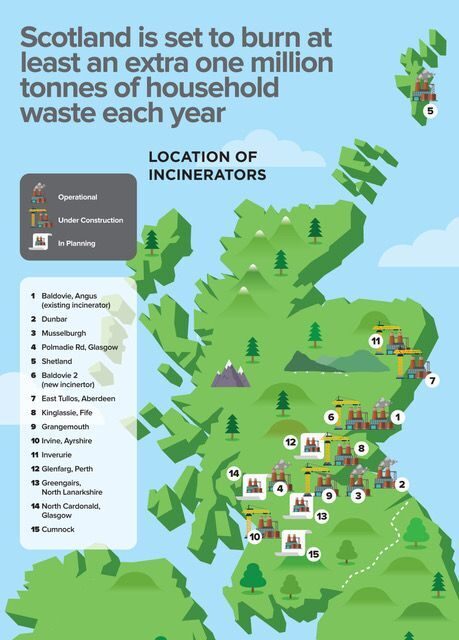
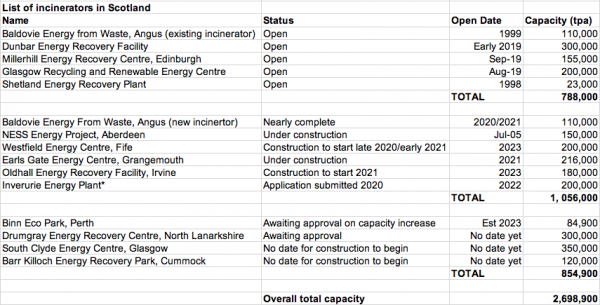
Research by Friends of the Earth Scotland has discovered plans to increase incineration capacity in Scotland to burn at least an extra one million tonnes of waste each year. Scotland currently has five working incinerators for household waste with a capacity of 788,000 tonnes per year. From Inverurie to Irvine, a further six incinerators are due to start operating in the next three years with the capacity to burn a further 1,056,000 tonnes of waste a year. There are at least four other incinerators under consideration.
Scotland currently generates 2.41 million tonnes of household waste a year and by 2023 we will have the facilities in Scotland to burn a yearly total of 1,844,000 tonnes of waste. This could lead to up to 77% of household waste being burned, well above the Scottish Government’s target of incinerating 14% of municipal waste by 2030 as set out in the 2003 National Waste Strategy.
We’re calling for a moratorium on building new incinerators
Friends of the Earth Scotland does not believe that any incinerators, including energy-from-waste plants, should be used as an alternative to recycling and reducing waste. Any new incinerator that is built in Scotland now will lock us into years of wasting resources by burning them, and further environmental damage. Incinerators also create a barrier to moving to a circular economy as there is a demand for waste that could be reused, recycling or remanufactured, all of which is critical if we are to limit our reliance on the planet’s resources and tackle the climate crisis.
As we work towards the target of net-zero emissions by 2045 and local authorities across Scotland move to divert waste from landfill before the ban on biodegradable waste comes into force in 2025, we must ensure that we don’t rush to build more environmentally polluting incinerators. Friends of the Earth Scotland is urging the Scottish Government and MSPs to support a moratorium on new incinerators in Scotland for three main reasons: incineration wastes valuable resources, incineration pollutes and incineration is bad for climate change.
For more information on incineration you can read our incineration briefing. If you worried about an incineration proposal in your area and want some advice, then contact our Circular Economy Campaigner Kim Pratt – kpratt@foe.scot
Latest Blogs
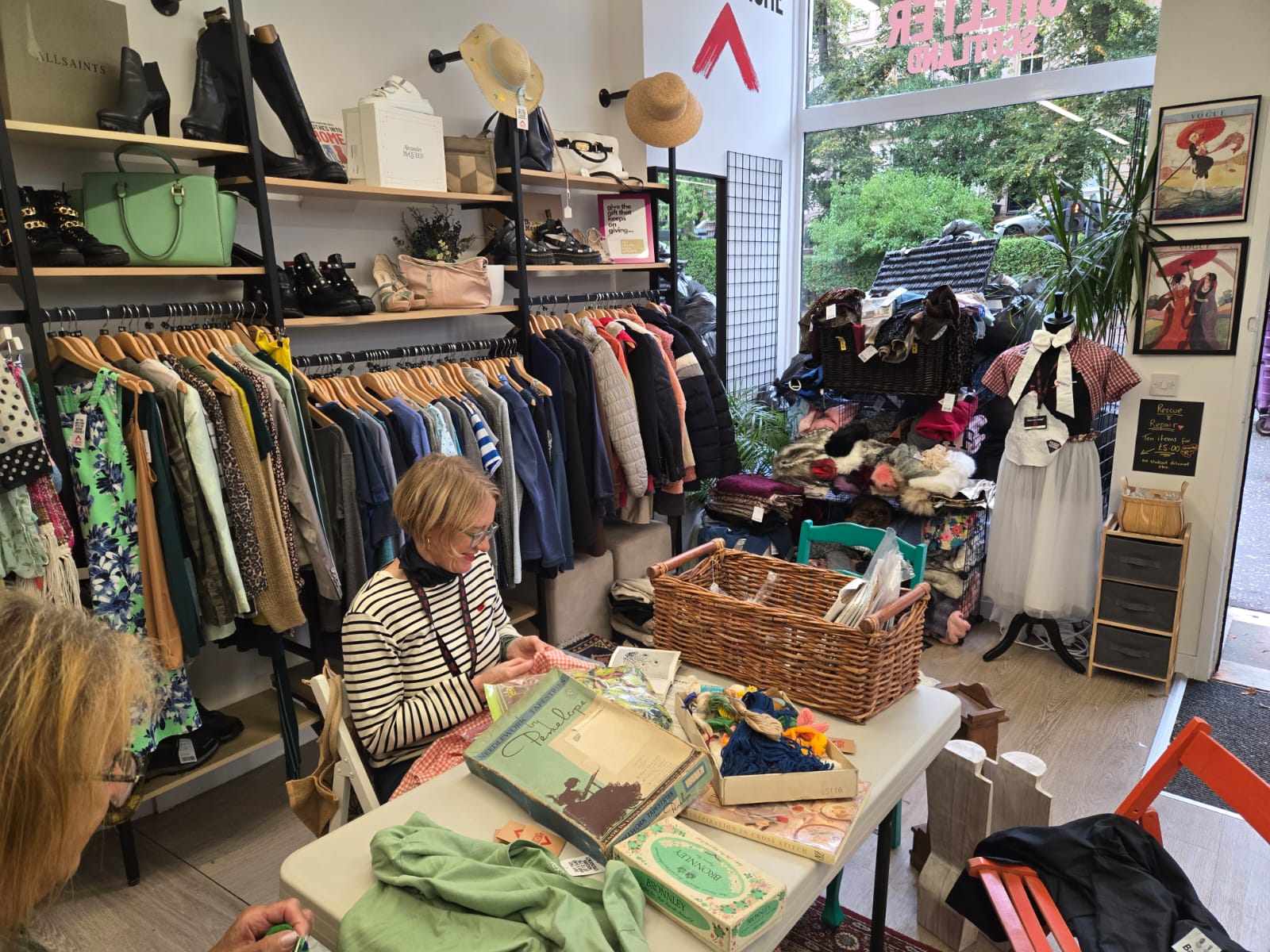
The secondhand clothing conundrum
With costs soaring for everyone except the companies churning out fast fashion, it’s time to change the way second-hand clothes are managed for good.
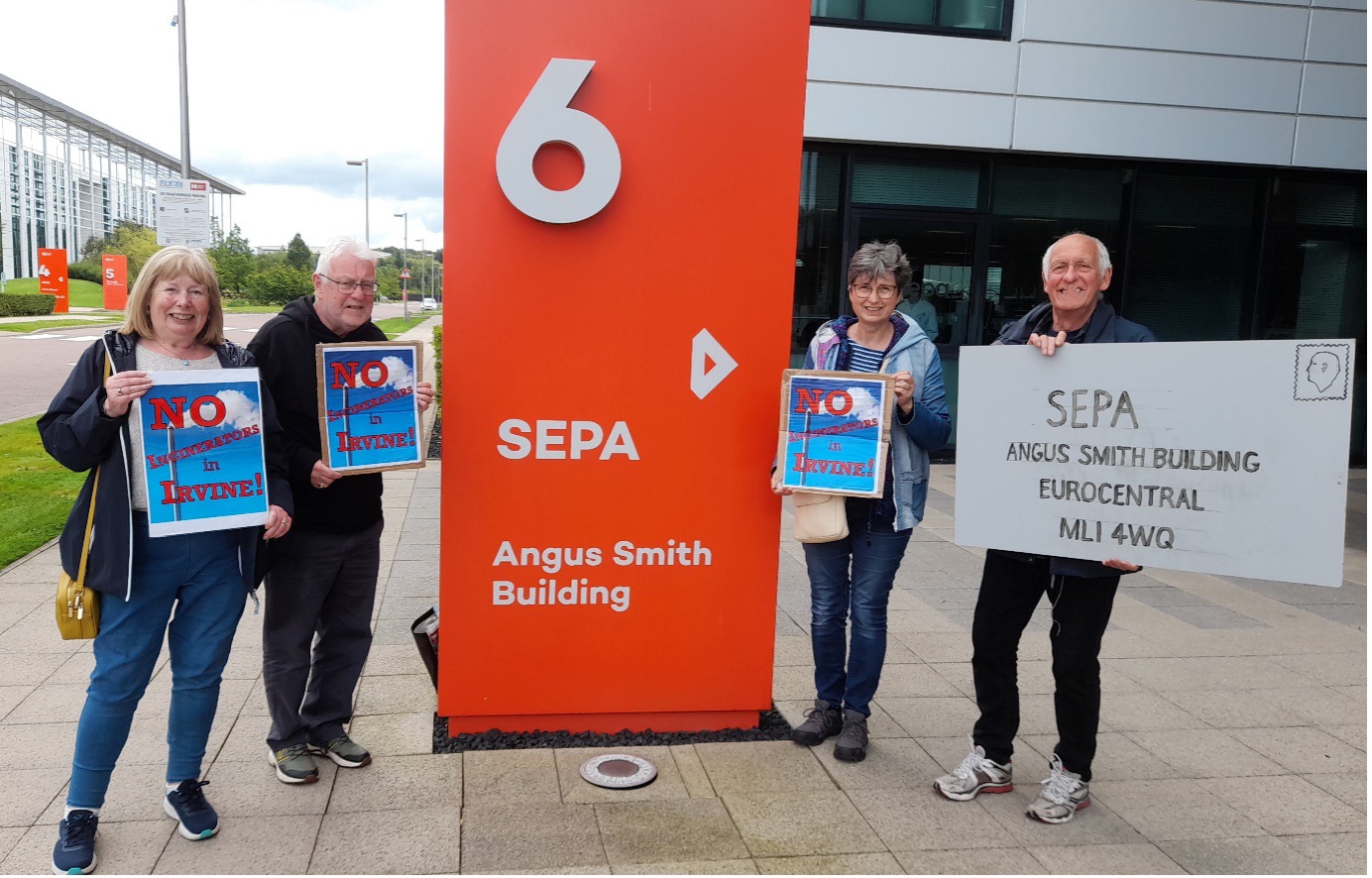
What did we learn from our campaign for Irvine Without Incinerators?
Late last year, after five years of building, and nearly two full years of local protest, Oldhall Waste Incinerator in North Ayrshire were granted the licence to fire up. This is expected to happen this month.
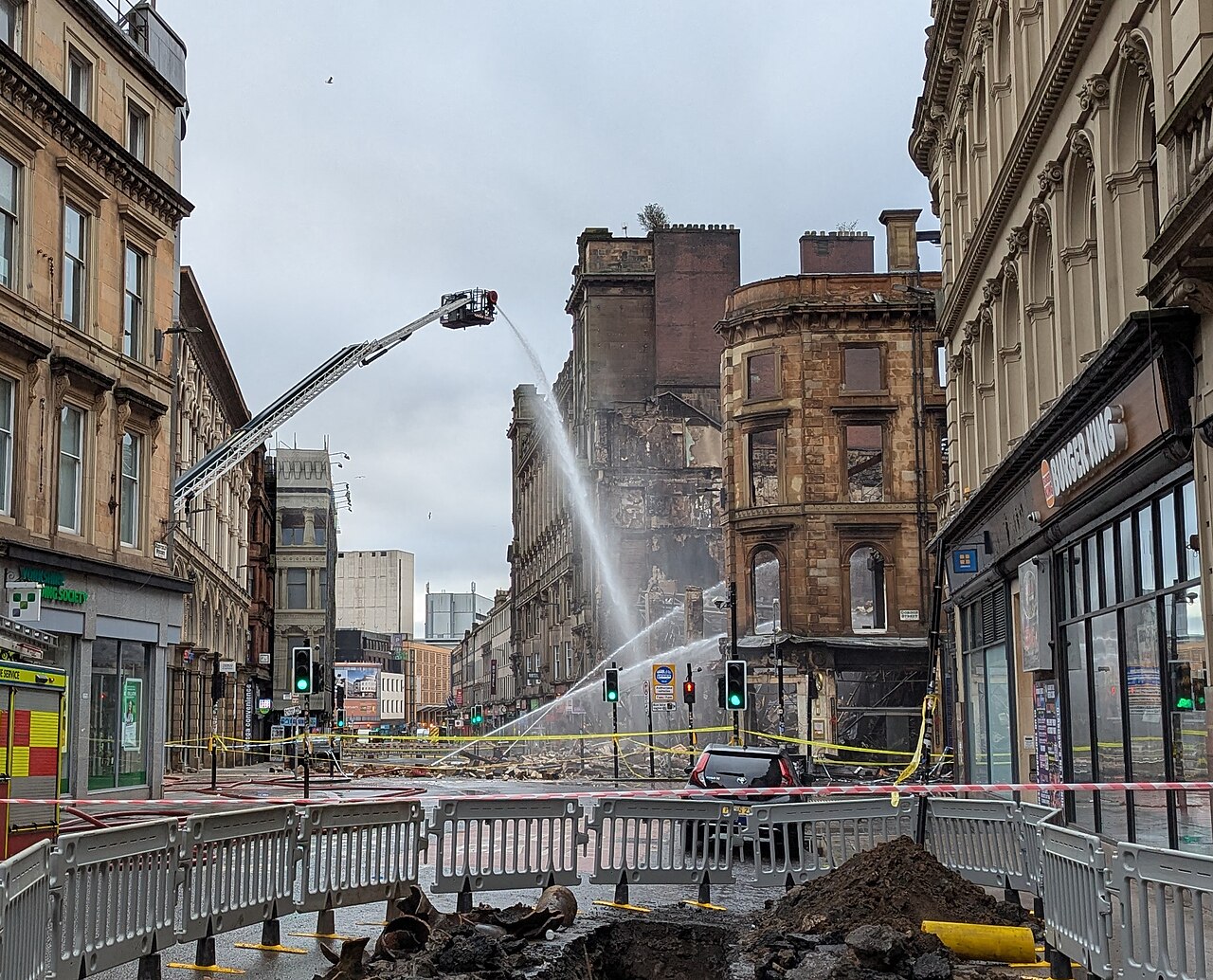
Who should pay to clean up the Glasgow Union Street fire?
In March, everyone in Scotland watched fire consume a historic building on Glasgow’s Union Street, right next to Central Station. Thankfully, there was no loss of life or injuries, however,…
Latest Press Releases
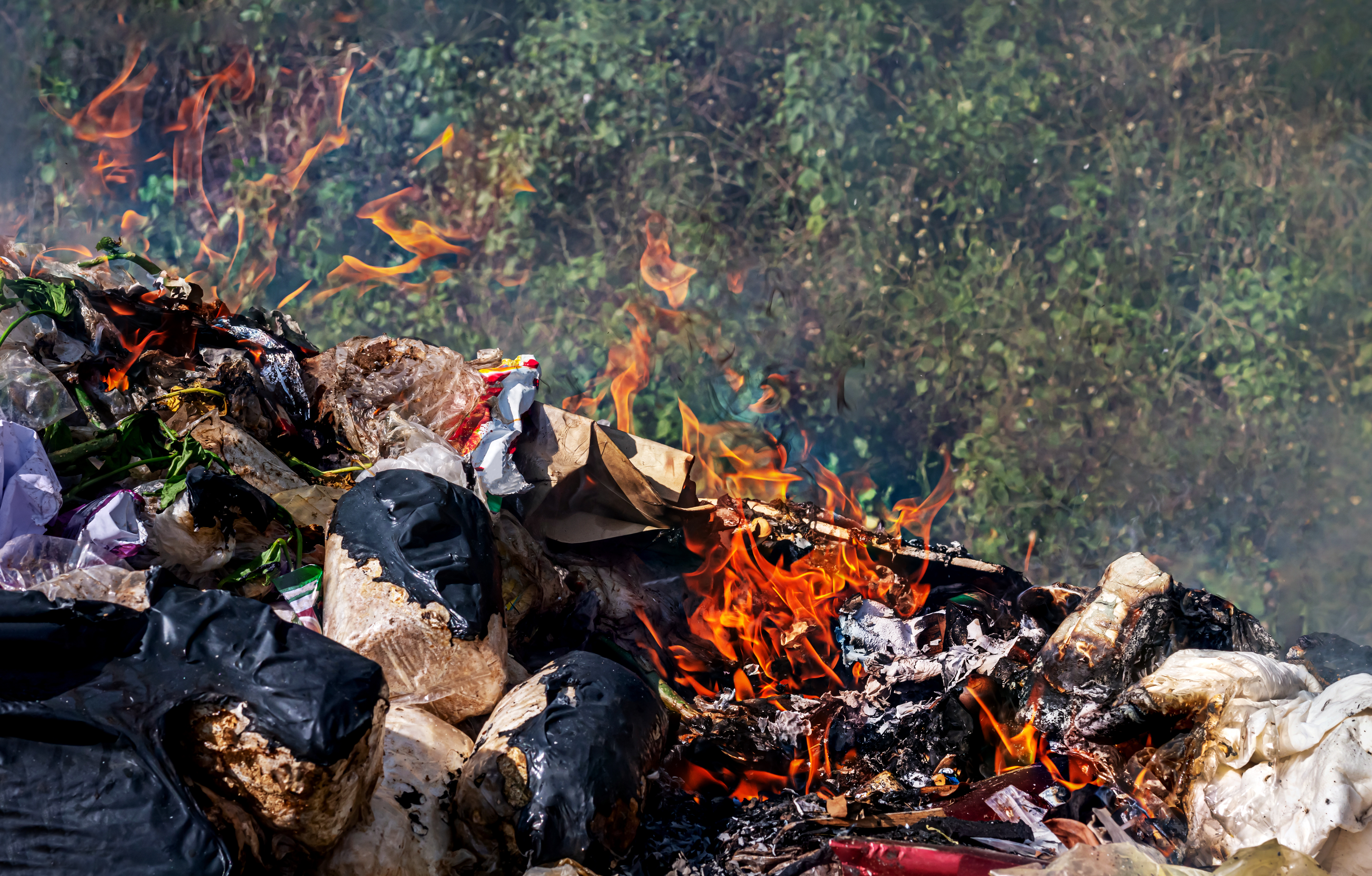
Scottish Government report on waste burning dubbed “greenwashing”
The Scottish Government must stop making excuses and close the loopholes in its incinerator moratorium now.
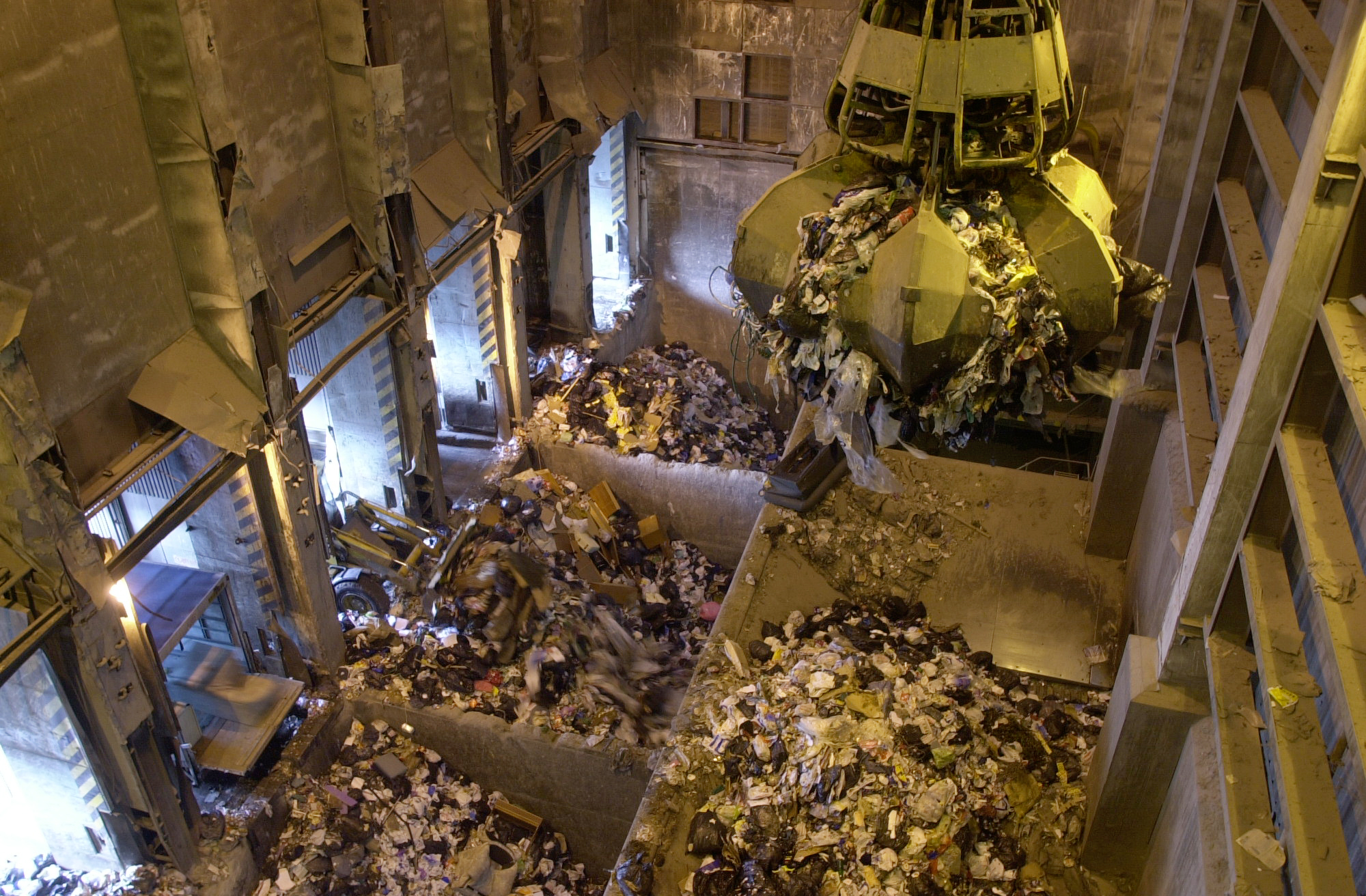
Councils face escalating £28mill bill for plastic waste burning
The Scottish Government must bear the blame for encouraging councils to incinerate waste, rather than reduce and recycle it.
Calls for plastic recycling changes to be green, fair and safe
Civil society groups from across the UK have united on the UN International Day of Zero Waste (30 March 2026) to tell UK and devolved governments not to waste the opportunity to make mandatory bin collections for plastic film being introduced in March 2027 ‘green, fair and safe’.
Resources
Joint civil society position on the four nations commitment to plastic film collections
38 civil society groups have united to tell UK and devolved governments not to waste the opportunity to make mandatory bin collections for plastic film green, fair and safe.
FoES response to Scottish Government’s Circular Economy Strategy consultation
The Scottish Government’s draft circular economy strategy is unfit for purpose and, without fundamental changes, is likely to lead to significant harms to people or nature.
Letter to the Cabinet Secretary on the Scottish Government’s Circular Economy Strategy
In an open letter to Gillian Martin, the Cabinet Secretary for Climate Action and Energy, 30 civil society groups and individuals have called on the Scottish Government to put people and nature before profit in the Circular Economy Strategy for Scotland.
Irvine incinerator – letter to the Scottish Government
Friends of the Earth Scotland and local groups wrote to the Scottish Government urging it to use its powers under the Pollution Prevention and Control (Scotland) Regulations to direct the Scottish Environment Protection Agency to refuse permits for new incineration plants in Scotland.
Letter to the First Minister on the Global Plastics Treaty
18 groups outline the damage created by plastic, and call for the Scottish Government to act now to prevent further harm.
Scotland must act now on plastic pollution
This briefing paper by Friends of the Earth Scotland explains why it is important to tackle plastic pollution and what must be done in Scotland.
Circular Economy
We must move to a circular economy to reduce our overconsumption of natural resources that are damaging the planet and causing climate change.
Circular Economy