

Iran War shows we must chart a path away from fossil fuels
The old Edwin Starr song goes, “War! Huh! What is it good for? absolutely nothing!” But a lot of oil company shareholders would disagree with that.
Big oil firms made over £67billion profits in April to June after Trump’s war on Iran. International energy prices have been driven up once again, just after they did when Russia invaded Ukraine.
If our economy continues to be tied to volatile global gas prices, this will be an ongoing risk. If we were generating energy here in the UK with reliable, affordable renewables we would be far more insulated from these shocks.
Corporate profiteering has increased the prices of energy bills and many essentials at the supermarket. These costs have been passed through the economy due to rising costs of transporting goods and the energy needed to power machinery and refrigeration.
For many people who are struggling, this latest fossil fuelled price hike is piling on the misery. Even before this crisis one third of Scottish homes were struggling to pay their energy bills.
‘Devastating impact’ of fossil fuels
We can see the devastating impact that fossil fuels are having on our lives – from climate induced wildfires to soaring prices.
Politicians should be using this moment to speed our transition towards renewables. Imagine if the UK had responded to the Ukraine invasion price spike with a massive programme of home insulation, targeting those most in need and cutting household bills.
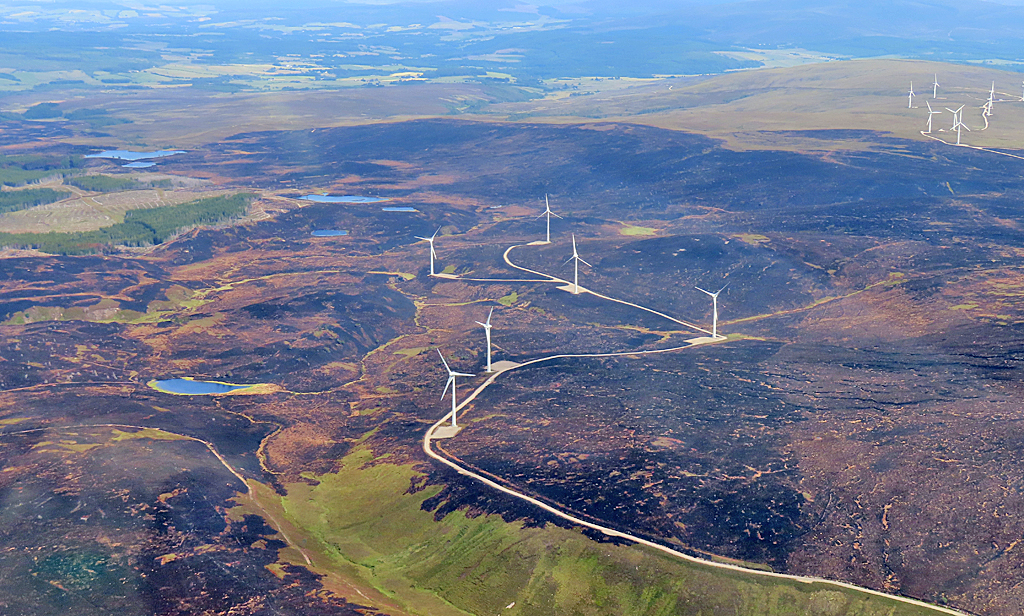
Instead, we see politicians north and south of the border wanting to double down on the source of the problem by demanding new drilling in the North Sea.
Drilling more oil to be sold on the international market will only benefit the companies who own the oil. Vast profits have been well spent cosying up to ministers and lobbying special advisors, convincing them that the thing this out-of-control fire needs is actually more fuel. These firms are adept at cynically using crises to push their own interests.
Corporates capitalising on pain
Aberdeen-based Dana Petroleum bought licences from the Israeli Government to drill for gas in Palestinian waters in October 2023, whilst the people on shore were killed from the air. The company aims to profit from a genocide, from a population displaced and unable to access to what is rightfully theirs.
Similarly, Ithaca energy, part owner of the Rosebank oil field, is owned by a controversial Israeli fuel conglomerate, Delek Group. Delek supplies fuel to the Israeli army and is named on a UN list of businesses whose activities have “raised particular human rights concerns” in Occupied Palestinian Territory. Ithaca could make around £200million if Andy Burnham approved Rosebank.
Oil drilled from Rosebank would be sold on the international market to the highest bidder, earning the companies billions in profit. Meanwhile the Jackdaw field will only supply around 2% of the UK’s gas needs and create 27 long term jobs. Neither field would make a difference to our energy bills and, in fact, the UK taxpayer would effectively shoulder over 80% of Rosebank’s development costs through tax relief.
Not to mention, burning the oil from Rosebank would create pollution roughly equivalent to six times the entire climate emissions of Scotland.
The likes of Reform UK seemingly wear their millions in fossil fuel company sponsorship proudly, with Richard Tice urging us to ‘celebrate’ climate change this week because it will ‘improve English wine’. His callous calls are sickening when we see thousands of people dying from the heat in the UK, crops failing and homes destroyed by wildfires.
Turning point in the energy transition
We can choose a different path and ramp up our use of domestic renewable energy instead. We could break the stranglehold of greedy fossil fuel giants and their power to withhold supplies and jack up prices. This can be turning point in the energy transition.
Since the Iran war, the centre right government in Portugal has pledged to speed up its plan to halve fossil fuel use with a decade. In Spain, electricity bills dropped during the early months of the war as they reaped the dividends of doubling wind and solar generation in previous years, meaning they were less reliant on volatile gas.
The Turkish President of the upcoming UN climate talks has said that increasing renewables and electrification are the surest way to protect people from high energy prices. In Pakistan, the boom in rooftop solar panels has insulated many people from rising electricity prices.
Forward thinking decision makers should be looking beyond fossil fuels and commit to increasing renewable capacity, storage and bringing down costs.
If renewables were owned and run in the public interest here in Scotland, we could ensure that jobs were created in local communities, that energy was affordable and profits were reinvested rather than extracted. We must support peace building around the world, but it is vitally important that we also act now to insulate from future shocks that fossil fuels will inevitably bring.
A version of this article was in The National on Saturday 22nd August 2026