
Listen to the workers, not the oil industry’s PR men
In recent weeks, Kemi Badenoch and Nigel Farage have been falling over each other to prove who is the loudest cheerleader for the oil and gas industry — calling for ‘maximum oil and gas extraction’ and blaming net zero for the North Sea’s decline – as industry lobbyists cheer from the sidelines.
It is pure political theatre – and a huge distraction from the genuine concerns of Scotland’s oil and gas workers, as expressed in a new survey. It will come as no surprise that workers’ demands are not the same as those coming from their bosses, industry lobbyists and their opportunistic political supporters.
That Scotland’s oil and gas workers are unhappy will also not be news to anyone who has been listening. The findings of the new survey of over 400 of oil and gas workers by campaign group Platform – over a third of whom are based in Aberdeen – is, though, revealing.
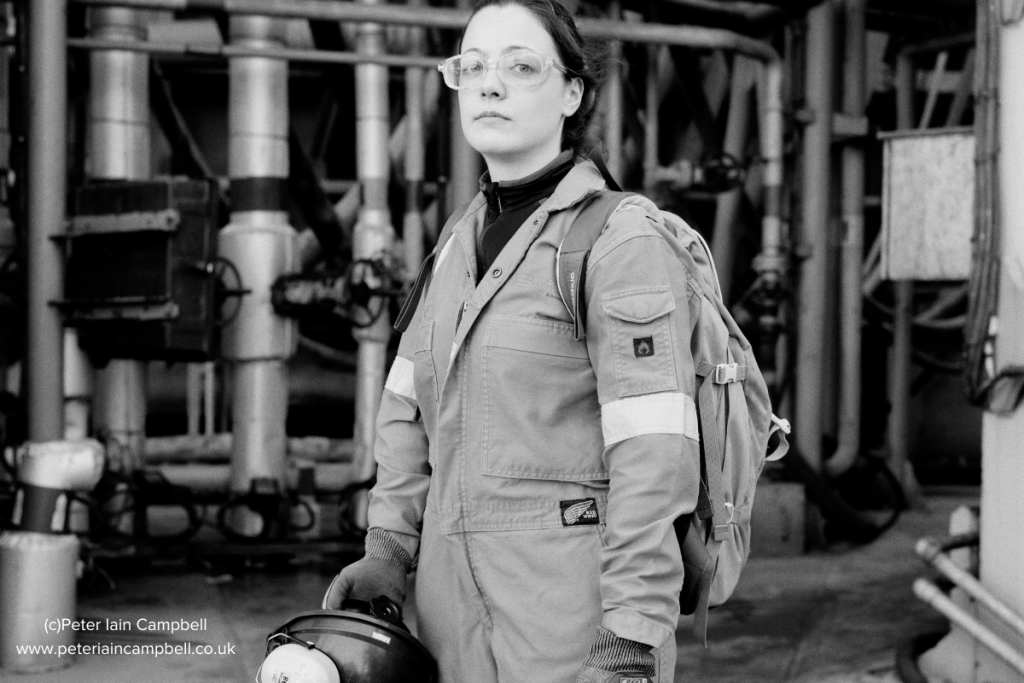
Workers are concerned about declining standards in the industry, including safety, with one describing conditions as ‘the worst they have seen in a decade’. They’re angry about the decline in salaries, which they say have been ‘stagnant for over a decade’, all while they see company executives give themselves massive bonuses and pay billions in dividends to shareholders. ‘The staff have taken the brunt,’ says one worker ‘and the executives still ticked their bonus boxes’.
And they talk openly, albeit anonymously, about the anxiety of being in an industry that has not just experienced a decade of decline, but is now braced for a fall in oil prices. In their experience, this means layoffs.
All of which helps to explain not just why a quarter of those surveyed are actively looking to leave the industry, but why so many of them are demanding urgent action from both the UK and Scottish governments to help them through the energy transition.
The message from workers is clear: governments need to do much more to create good renewable energy jobs. With just seven out of 80 or so North Sea oil and gas operators planning to invest anything in UK renewable energy by 2030, they are certainly not going to come from their current employers.
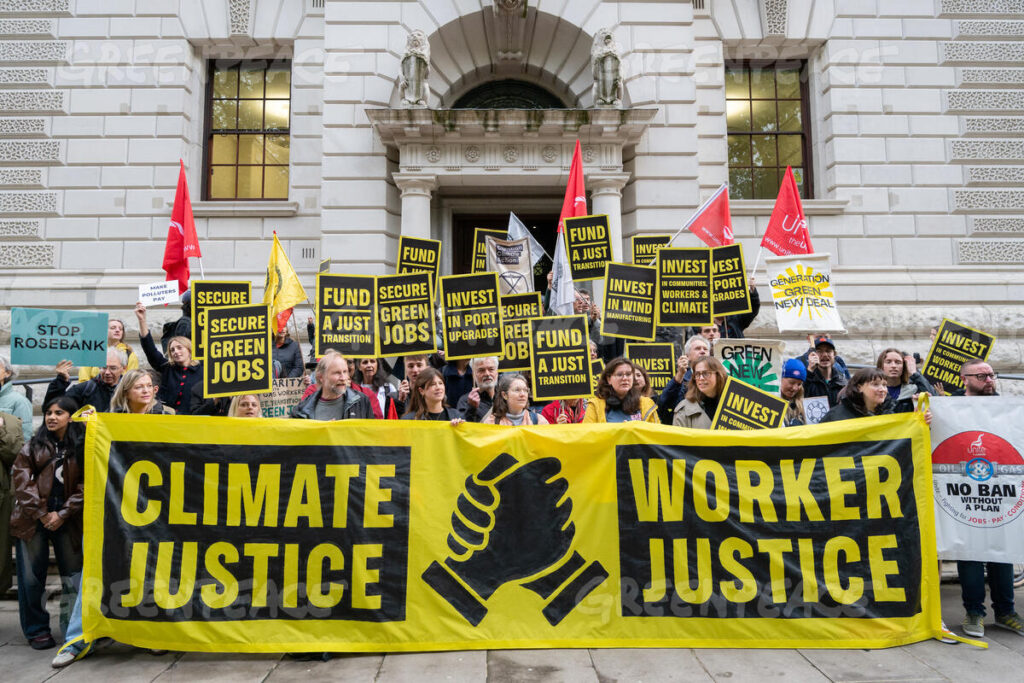
Almost all of those surveyed want more public investment in domestic wind manufacturing, as well as in UK ports so they are fit for energy projects. Workers also want to see conditions put on wind developers to create more jobs in places where they are needed most. And they want collective bargaining introduced in the renewables industry and supply chain to make sure these are good, well-paid jobs.
Workers are asking for more support too from governments to help them move sectors, with almost all of those surveyed wanting the government to force oil firms to provide pathways out of oil and gas and into other industries. As things stand, workers are on their own. And they need to see properly-funded retraining schemes, as well as paid time off to retrain and financial help for those who aren’t able to find an equivalent, alternative work.
It is revealing that nine in ten workers also support more public and community-owned energy production, so that more of the wealth that they generate goes back into Scotland’s communities and doesn’t get syphoned off by private companies.
These needs and wants of workers demand to be listened to. What they amount to is a proper plan for Scotland’s energy transition that has workers’ interests at its core. They would also help build a fairer energy system in Scotland where the wealth is shared more equally.
This is a far cry from the tired soundbite policies now coming from some politicians. Kemi Badenoch dusted one off recently – ‘maximising North Sea oil and gas extraction’ – which is a policy that the previous Conservative government introduced in 2015. In the decade that followed, which saw the government approve new oil and gas fields and issue hundreds of new licenses in a bid to ‘maximise extraction’, Scotland’s oil and gas workforce shrunk by roughly 40%.
Similarly, Nigel Farage’s desire to reindustrialise the UK through fossil fuel production – and make us ‘self-sufficient in gas’ – is a complete delusion. After 60 years of drilling, we have burned most of our gas: according to official projections, just 14% of all the gas estimated to have been in the basin remains commercially viable, with the UK’s reliance on imported gas is set to rise from 55% today to 68% dependent by 2030 and 94% dependent on gas imports by 2050 – and that’s even if new fields are developed. You can shout “drill baby drill” all you like, but the geological facts don’t change.
We cannot allow these political voices to drown out Scotland’s workers, who are demanding that government plans for the North Sea’s future – and theirs. The time to listen to them is now.