
Calls for plastic recycling changes to be green, fair and safe
Civil society groups from across the UK have united on the UN International Day of Zero Waste (30 March 2026) to tell UK and devolved governments not to waste the opportunity to make mandatory bin collections for plastic film being introduced in March 2027 ‘green, fair and safe’.
The UK government and devolved nations in Scotland, Wales and Northern Ireland are required to introduce collections for waste plastic films from households and businesses by 31 March 2027. The new collections will include plastic bags, pouches, crisp packets, and plastic wrapping.
Plastic films, such as clingfilm, bubblewrap and some single use packaging, are difficult to recycle and often end up being incinerated or exported abroad, where they can cause significant environmental damage and harm communities that handle the waste. Plastic production is expected to triple by 2060, increasing the negative impacts these materials have on society.
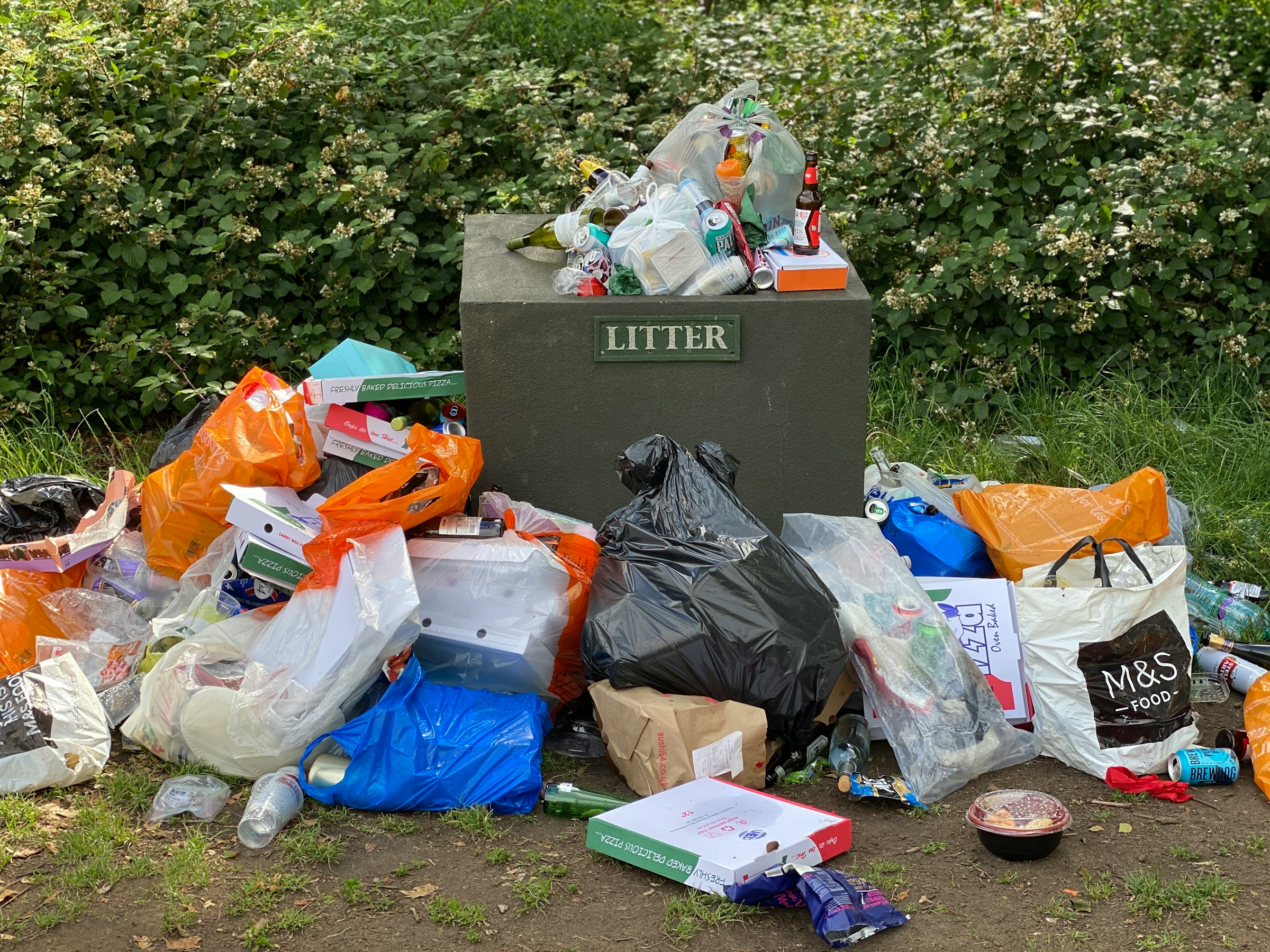
Plastic films are a major source of litter in our towns, beaches and oceans. 99% of plastic films are made from fossil fuels. They are not biodegradable and instead break down into microplastics. Microplastics have been found in food, drinking water and even our bodies. Scientists have linked them to cancer, immune system damage, reproductive problems, and developmental delays.
A total of 38 Civil society groups, including Friends of the Earth Scotland, the Environmental Investigation Agency (EIA), Everyday Plastic and the UK Without Incineration Network, support the position. The groups have united to give a strong message to all Governments in the UK that, for these plastic film collections to be effective, they must actively reduce plastic film levels and be safely recycled rather than burned in incinerators or dumped overseas.
In April 2025, only 16% of UK councils offered plastic film recycling collections. In 2022, just 7% (31,000 tonnes) of plastic film was recycled, out of the nearly half a million tonnes placed on the market.
The vast majority of these materials are not recycled back into plastic and the harmful chemicals in plastic waste are ignored. This means toxic chemicals can leach into our environment or end up in recycled products. Without safeguards to protect people, expanding plastic film collections risks perpetuating harm rather than delivering environmental, social, and climate benefits.
Kim Pratt, Circular Economy Campaigner at Friends of the Earth Scotland said:
“There is no point in spending public money on our bin collections unless these changes improve people’s lives. Plastic films, like clingfilm, bubblewrap and packaging, have invaded everyday life where they harm our health, cost millions to clean up and add to climate breakdown too.
“Civil society groups from every country in the UK have united to tell policy makers to ensure this opportunity makes our bin systems green, fair and safe.
“Policy makers must stand up to the plastics industry churning out these plastic films whilst the rest of us have to cope with more and more waste. These changes must reduce the amount of plastic film in all our lives, improve recycling systems and end the international burden created by UK plastic film waste exports.”
Andrea Dixon from the Environmental Investigation Agency said:
”Plastic film is one of the clearest examples of a system that is fundamentally broken. Even when it is collected, it is rarely recycled back into new products and is instead burned, downcycled, or exported, often harming communities overseas. Without strong safeguards, these new collections risk entrenching the very problems they are meant to solve. Governments must prioritise reducing plastic production, building real domestic recycling capacity, and ending the export of the UK’s plastic waste burden.
“Released on UN International Day of Zero Waste, today’s call highlights how reducing plastic production and improving the recycling of hard-to-recycle materials like plastic film is a vital part of wider zero-waste ambitions, helping cut waste, protect communities, and safeguard the environment.”
Joint position paper:
https://foe.scot/wp-content/uploads/2026/03/Plastic-briefing-March-26-FINAL.pdf
Four out of five English local authorities without kerbside plastic film recycling collections are gearing up to launch it by 31st March 2027:
International Day of Zero Waste 2026:
https://www.unep.org/events/un-day/international-day-zero-waste-2026
Friends of the Earth Scotland is:
Scotland’s leading environmental campaigning organisation
An independent Scottish charity with a network of thousands of supporters and active local groups across Scotland
Part of the largest grassroots environmental network in the world, uniting over 2 million supporters, 73 national member groups, and 5,000 local activist groups.
www.foe.scot
About EIA:
The Environmental Investigation Agency (EIA) investigates and campaigns against environmental crime and abuse. Our undercover investigations expose transnational wildlife crime, with a focus on elephants, pangolins and tigers, and forest crimes such as illegal logging and deforestation for cash crops. We work to avert climate catastrophe by investigating the criminal trade in refrigerant gases, strengthening and enforcing regional and international agreements that tackle fossil fuels and climate super-pollutants, including ozone-depleting substances, hydrofluorocarbons and methane, and promoting sustainable cooling. We seek to safeguard global marine ecosystems by addressing the threats posed by plastic pollution, bycatch and commercial exploitation of whales, dolphins and porpoises.
List of the organisations which support this position:
Environmental Investigation Agency (EIA)
Friends of the Earth Scotland
United Kingdom Without Incineration Network (UKWIN)
Everyday Plastic
The Scarab Trust
Trash Free Trails
Plastic Free Helensburgh
Plastic-Free Communities Scotland
Wildlife & Countryside Link
Plastic-Free Dalgety Bay
Common Weal
Friends of the Earth Cymru
Keep Wales Tidy
Surfers Against Sewage (SAS)
Seas At Risk
Ocean. Now!
Northern Ireland Marine Task Force
Fidra
Wellbeing Economy Scotland
No-Arc 21
Greenpeace UK
Nottingham Friends of the Earth
The Seahorse Trust
Stop Parley and Canford Incinerator Community Group
Shireoaks and Rhodesia Against Plastic Pyrolysis
Reading Against the Incinerator
Wales Environment Link
Dorset Climate Action Network
East Dorset Friends of the Earth
We are Transition Bournemouth
Stop The Edmonton Incinerator Now! Campaign
Poole & Purbeck Group of Dorset CPRE
Marine Conservation Society
No Incinerator 4 Horsham Community Group
Reloop
Stop Ratcliffe Incinerator group
Keep Scotland Beautiful
Planet Patrol