
The war in Iran means we must reach for renewables – not more oil
As conflict rages through the Middle East with Trump’s attacks on Iran, Israel’s bombings of neighbouring countries, and Iran’s missiles heading towards the Gulf states, the availability of oil and gas has suddenly been catapulted to the forefront of people’s minds.
The absolute priority should be ending the violence, treating the wounded and showing solidarity with the people throughout the region whose lives have been upended by this war.
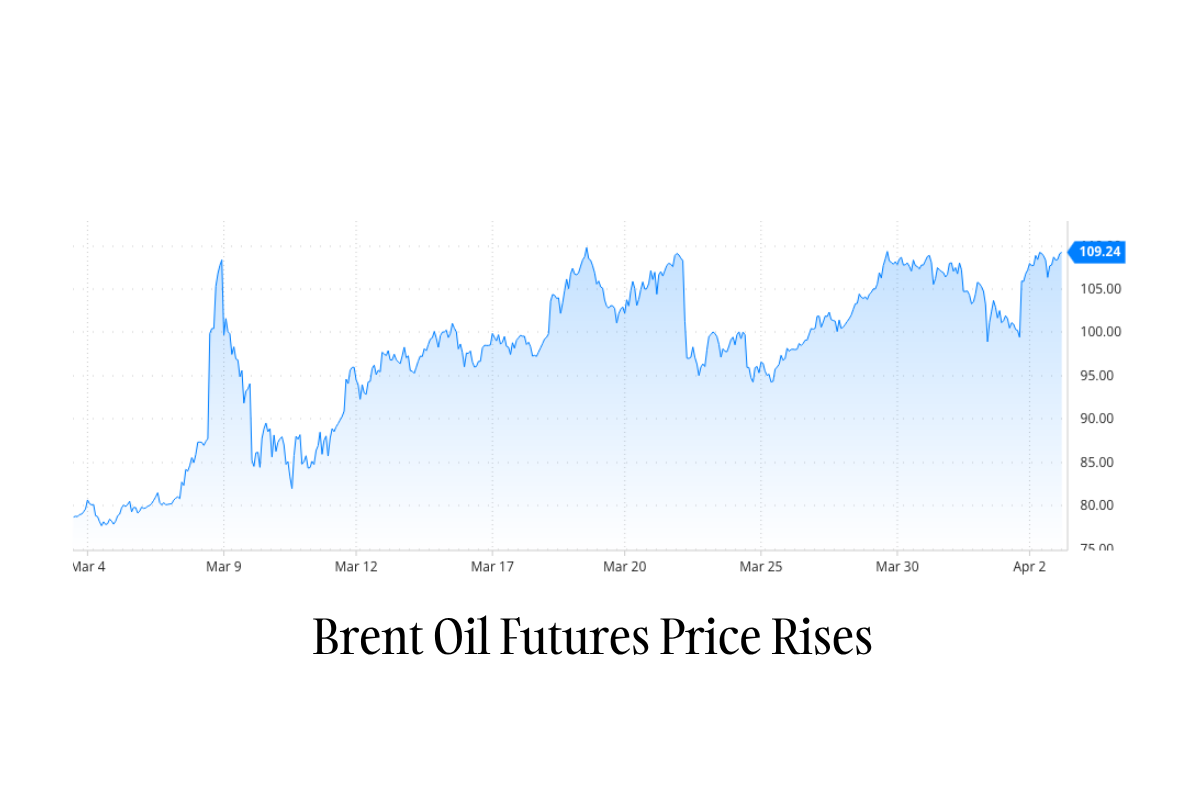
But the impacts of the conflict have also been wider-ranging, with the now-famous Straits of Hormuz severely restricting the exports of oil and gas (as well as many other vital supplies) from the Gulf states. This has seen the prices spike to levels not seen since Russia’s invasion of Ukraine.
Oil price gambling drives up costs
These are globally traded commodities where prices change rapidly driven by international politics or market forces. For example, greater demand for oil in Asia will push up the price of oil everywhere.
This gambling on price increases, both now and in the future, will make billions for the fossil fuel companies and energy traders. Meanwhile, most people in the UK see with dread the predictions that the energy price cap will rise by 18% in July.
This means our energy bills are being jacked up by companies and forces far beyond our control.
Fossil fuel companies (and the right-wing media) have been cynically trying to take advantage of the chaos by repeating their calls for new drilling in the North Sea, prompting a lot of heated, inaccurate discussions on this critical issue.
In this strange time when oil and gas are coming up so much in everyday conversations, it’s worth reminding yourself of some key facts so that you feel ready to have these conversations when they arise.
1. New drilling will not impact our energy bills
No matter where new oil and gas come from, it is priced at the global market rate which is being pushed up by the war in the Middle East. New UK fields would take years to drill and even then wouldn’t be big enough to affect global prices.
Our energy bills are tied to the price of gas, as it’s the most expensive way of generating electricity. So the higher the global price of gas, the higher UK electricity bills.
Drilling for more oil and gas will only keep us locked into this position of being vulnerable to global price shocks. The proposed Peterhead power station would be burning this globally priced gas for decades to come, further locking us into this unaffordable system.
2. North sea oil and gas belongs to oil companies – not the public
The oil and gas that is extracted from the North Sea belongs to the companies that extract it, not to the British people. We don’t have a state-owned oil company and there isn’t any political appetite for nationalising the oil industry!
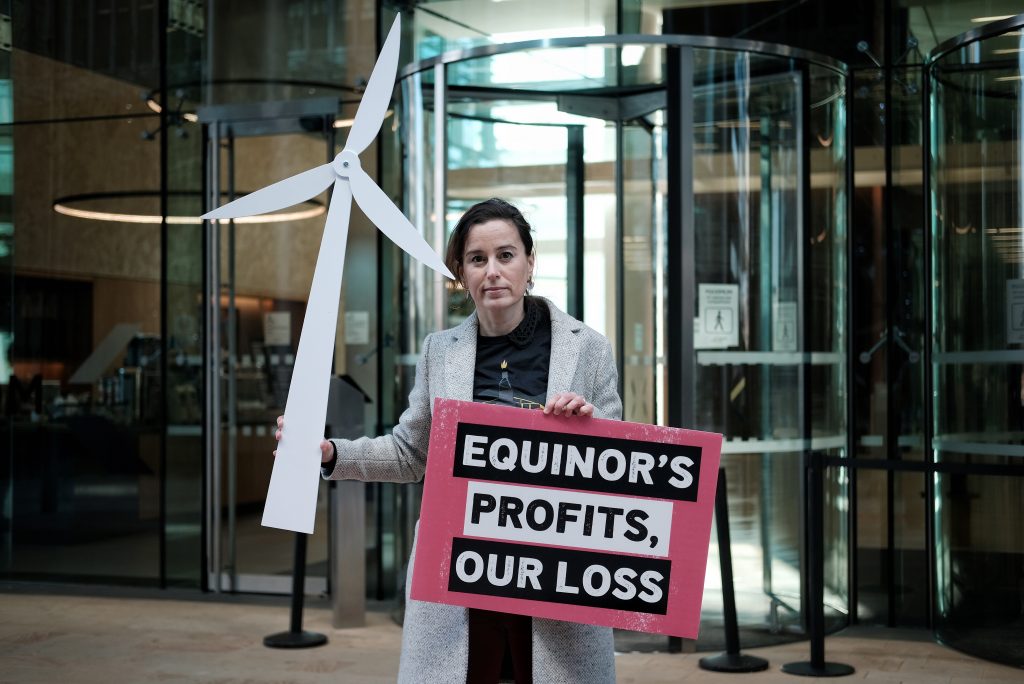
Companies like Equinor and Shell want to make as much money as they can from the oil and gas they extract, so they will sell it to the highest international bidder.
These companies have proven time and again their only concern is their profit, and they do not care about the people or the countries in which they operate. These greedy firms have made £125 billion in profit as prices spiked in the last few years.
3. The way to bring our bills down is to invest in renewable energy
There is huge insecurity at the heart of the current system of price shocks and fossil fuel dependency. Could anyone who has seen energy bills shoot up say that fossil fuels offer their family any security?
The only way we can create a reliable, dependable system is to shift to a renewable energy system, which is run in the public interest and controlled by people who are accountable to us.
We should also reduce our demand for energy through measures like insulating tens of thousands of homes and improving public transport. If this had happened after the Russian invasion of Ukraine, people would be much better protected from the impact of this crisis – never mind the wider benefits these changes would bring to health, connectivity and local jobs.
The oil and gas in the North Sea are rapidly running out anyway, so we need a plan to make this transition work for the people working in the industry, and the communities that rely on it.
4. Burning more fossil fuels will lead to more extreme weather
The reason that millions of us are collectively pushing to stop fossil fuels is because they are the main driver of climate breakdown! Every extra barrel of oil that is extracted and burned increases the likelihood of dangerous extreme weather both in Scotland and around the world. Those who are demanding more drilling want us to forget about that reality.
If you can remember these key messages, you should be able to counter the main arguments that people are putting forward for new drilling in the North Sea. We need to remember that the fossil fuel industry is trying to exploit this crisis for their own interest. From jacking up prices to demanding more drilling in the North Sea – they do not care about the public.
As grim as the situation is, we can use these conversations to gently educate friends, family members and others in our communities about the reality of the fossil fuel industry’s greed.