International plastic agreement “held to ransom”
The final stage of negotiations to create a global plastics treaty to end plastic pollution have ended in a failure to agree a treaty. The process will now be extended again. Climate campaigners say the treaty was “held to ransom” by a handful of petro-states and corporations.
Countries’ representatives have been meeting for the past fortnight in the UN headquarters in Geneva with the aim of finalising a treaty. The international agreement aimed to reduce plastic pollution to stop the harm it is doing to our health and the planet.
Over 100 countries, including the UK, agreed that to be meaningful the treaty must include measures to reduce the amount of plastic being produced, ban the most toxic chemicals in plastic products and create financial mechanisms to support countries dealing with huge volumes of plastic waste.
However, over the course of the three-year process, petro-states, including Saudi Arabia and Russia, have failed to compromise on these issues, instead choosing to undermine and delay the international process. They have been supported by corporate plastic lobbyists, who have infiltrated the talks in record numbers.
As the meeting in Geneva has ended without resolution on the treaty text, the process has been extended in the hopes an agreement can be reached at a future date.
Kim Pratt, senior campaigner at Friends of the Earth Scotland said:
“This landmark treaty has been held to ransom by a handful of petro-states and corporations, set on making a profit whilst the rest of us suffer more and more from the explosion in plastic production. By sabotaging hopes of an agreement on a Global Plastics Treaty, their greed and lies have stopped the possibility of real progress.
“A new approach is needed to create a better future for us and the next generation. Despite the collapse in the international agreement, Scotland can show leadership by taking the plastics crisis seriously and acting with urgency.
“That means enforcing laws banning certain types of single use plastics and bringing in policies which force plastic producers to pay for the clean-up of the products they sell.”
Without a plastics treaty, the world’s plastic crisis will continue to worsen, with production levels expected to triple by 2060. Plastics, 99% of which are made from fossil fuels, contribute to climate breakdown and choke environmental systems.
There is increasing evidence that plastics also harm our health through exposure to toxic chemicals and microplastics, which have been linked to an array of diseases from cancer and neurological conditions to hormonal and digestive problems.
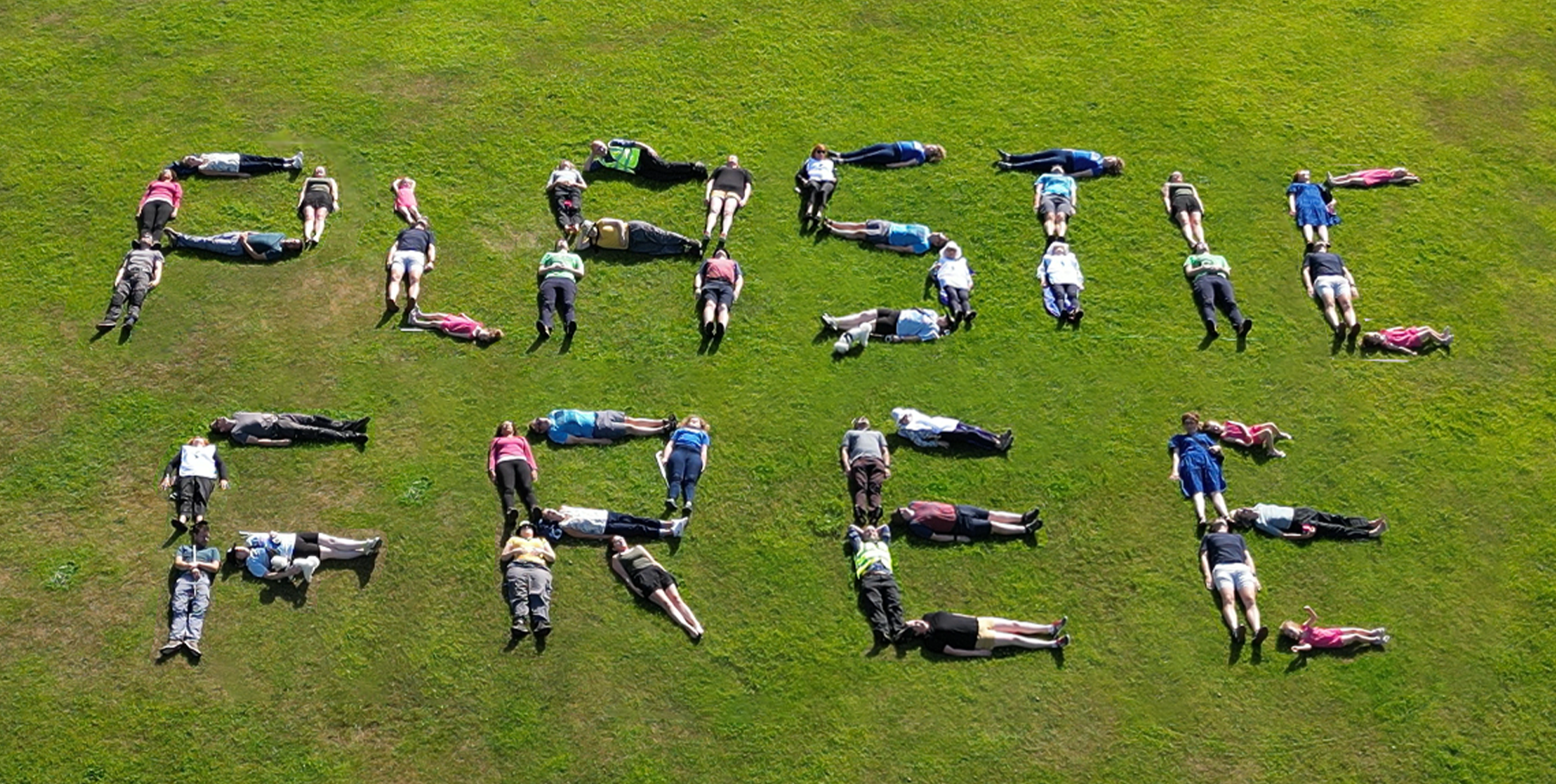
In Scotland, civil society groups wrote to the First Minister to call for him to support the treaty, and local plastic-free groups took action to send a message to representatives that they should support a strong agreement.